
The online source for all things Christmas
Friday, 25 October 2024
That's Food and Drink: My Emergency Banana Cream and Butterscotch Cheesecake
That's Food and Drink: My Emergency Banana Cream and Butterscotch Cheesecake: This is my My Emergency Banana Cream and Butterscotch Cheesecake. Necessity is, indeed, the mother of invention. I recently bought a bunch o...
Tips for Making Homemade Sauces for Christmas Meals

With the right sauces, any Christmas meal, whether a traditional roast or something more unique, can be elevated to another level.
Here’s a guide to crafting a few classic, delicious homemade sauces, along with tips to make your cooking seamless and stress-free!
1. Plan Your Sauce Selections Thoughtfully
Begin by planning your sauces based on the flavours that will complement your main courses and sides. Think about the richness of a roast turkey, the tenderness of Christmas ham, or the satisfying heft of a nut roast. Each main course pairs wonderfully with distinct sauces, so consider classics like cranberry, bread sauce, or even a rich, creamy mushroom sauce to add depth.
2. Stock up on the Essentials
For most Christmas sauces, you’ll need a solid base of ingredients, such as:
High-quality stock (vegetable, chicken, or beef) – A well-made stock can enhance flavour in gravies, bread sauce, and jus.
Fresh herbs and spices – Festive herbs like rosemary, thyme, and sage add holiday flavour. Don’t forget nutmeg and cloves for those warm, seasonal notes.
Butter and cream – Ideal for creating creamy, luscious sauces and balancing the acidity of others.
Seasonal fruits – Cranberries, oranges, and apples work wonders for Christmas sauces.
3. Mastering the Classic Gravy
A homemade gravy is the heart of many Christmas meals. The key to a luscious, velvety gravy is to deglaze the roasting pan. After roasting your meat, use red wine, white wine, or a splash of brandy to scrape up all those delicious browned bits (the fond) and add a rich depth to the sauce.
Once deglazed, add stock and simmer with a few sprigs of thyme and bay leaves for added flavour. Thicken with a roux (equal parts butter and flour) and adjust seasoning.
Tip: Create an Advance Batch
Make a batch of gravy a few days before Christmas to reduce the cooking stress on the day, and keep it in the fridge. Simply reheat and add any meat juices to boost flavour.
4. Whipping Up the Perfect Cranberry Sauce
Cranberry sauce is a holiday staple that’s easy to make and miles better than store-bought. Simply simmer fresh or frozen cranberries with sugar and a splash of orange juice for zest and brightness. If you like a twist, add a splash of port or a pinch of cinnamon for added warmth.
Tip: Balance Acidity and Sweetness
Cranberries are naturally tart, so balance them with the right amount of sugar. Taste as you go and adjust, keeping in mind that a little acidity complements the richness of roasted meats beautifully.
5. Luxurious Bread Sauce for Tradition
Bread sauce might sound simple, but it’s a comforting British classic. Start with milk infused with an onion studded with cloves, a bay leaf, and a touch of nutmeg. Add torn white bread (crust removed) to the milk until it thickens, then stir in a knob of butter and a pinch of salt to finish.
Tip: Add Richness with Cream
For an extra indulgent bread sauce, add a splash of double cream just before serving. This adds a silky, luxurious texture that pairs perfectly with turkey and other roasts.
6. Creating a Flavourful Jus
If you’re after something a little more refined than gravy, a jus (essentially a reduced sauce) can be the perfect accompaniment. A jus starts with a good-quality stock simmered until it thickens. A splash of red wine, port, or balsamic vinegar can add a touch of acidity and complexity.
Tip: Patience is Key
Allow plenty of time to reduce the sauce slowly, as this will intensify the flavours. You’re aiming for a thick, glossy texture that coats the back of a spoon.
7. Experiment with Fruit Sauces
For something unique, try experimenting with other fruit-based sauces. Apple and sage sauce pairs beautifully with pork, while redcurrant and rosemary sauce is wonderful with lamb. These sauces offer a festive balance of sweet and savoury and can often be made ahead.
8. Prepping Sauces in Advance
Most sauces, especially gravies, cranberry sauce, and jus, can be made a day or two ahead, saving you time on Christmas Day. Store them in airtight containers in the fridge and gently reheat before serving. Cranberry sauce, in particular, can be made weeks in advance and kept refrigerated or even frozen for ultimate convenience.
Final Thoughts
Homemade sauces add a personal touch to your Christmas dinner, and with a little preparation, they can be stress-free too. Remember, it’s all about balancing flavours and preparing ahead where possible. Take your time to simmer, season, and taste, and your sauces will surely be the stars of your holiday table.
Happy cooking and a saucy, merry Christmas!
Christmas Cocktails Inspired by Literature: Raise a Glass to Literary Legend

Whether you’re a book lover, cocktail connoisseur, or just someone looking for a bit of festive inspiration, here’s a collection of literary cocktails that will bring a bit of magic and mischief to your Christmas celebrations.
1. The Gatsby Sparkler – Inspired by The Great Gatsby by F. Scott Fitzgerald
No literary cocktail list would be complete without a tip of the hat to Gatsby, the ultimate host of opulent parties. Capture the essence of Jazz Age glamour with a sparkling cocktail that’s as vibrant as Gatsby’s legendary gatherings.
Ingredients:
120ml Champagne or sparkling wine
30ml elderflower liqueur
Fresh raspberries or edible glitter for garnish
Instructions:
In a champagne flute, pour the elderflower liqueur and top with chilled Champagne. Garnish with raspberries or a touch of edible glitter for that shimmering “green light” touch. Perfect for welcoming the New Year or adding sparkle to a holiday toast.
2. The Snow Queen – Inspired by The Lion, the Witch, and the Wardrobe by C.S. Lewis
Embrace the icy allure of Narnia with a drink that’s as cool as the White Witch herself. This cocktail brings a bit of winter wonderland magic with peppermint and creamy vodka, perfect for Christmas Eve.
Ingredients:
45ml peppermint vodka
15ml white chocolate liqueur
60ml cream
Crushed peppermint candy for garnish
Instructions:
Shake the vodka, white chocolate liqueur, and cream with ice and strain into a martini glass rimmed with crushed peppermint candy. This chilly delight will make you feel as though you’re in the heart of a winter wonderland.
3. Jane’s English Garden – Inspired by Pride and Prejudice by Jane Austen
Transport yourself to the gardens of Regency-era England with this refreshing and floral gin-based cocktail. Delightfully delicate, it’s a perfect match for Austen’s most famous heroine, Elizabeth Bennet, and an ideal drink for sophisticated Christmas gatherings.
Ingredients:
50ml gin
20ml elderflower cordial
15ml lemon juice
Soda water
Cucumber and mint sprigs for garnish
Instructions:
In a highball glass filled with ice, combine the gin, elderflower cordial, and lemon juice. Top with soda water and garnish with thin slices of cucumber and mint. It’s as refreshing as a stroll through the English countryside and a lovely start to a holiday soirée.
4. Scrooge’s Mulled Cider – Inspired by A Christmas Carol by Charles Dickens
For a warm and comforting choice, look no further than this traditional spiced cider inspired by Dickens’ A Christmas Carol. There’s no better way to get into the holiday spirit than by sipping on a drink that would warm even the iciest hearts.
Ingredients:
1 litre of apple cider
1 cinnamon stick
4 cloves
2 star anise
1 orange, sliced
Honey to taste
Instructions:
Simmer the apple cider with cinnamon, cloves, star anise, and orange slices for about 20 minutes. Sweeten with honey as desired, and serve warm in a mug. Garnish with a cinnamon stick or orange slice. This comforting brew is the perfect choice for a cosy night by the fire.
5. The Boo Radley – Inspired by To Kill a Mockingbird by Harper Lee
An unexpected twist on the classic Old Fashioned, this cocktail captures the mysterious and misunderstood character of Boo Radley. With notes of bourbon and a hint of sweetness, it’s a timeless drink that pairs beautifully with festive evenings.
Ingredients:
60ml bourbon
1 sugar cube
2 dashes of bitters
Orange peel for garnish
Instructions:
Muddle the sugar and bitters together in an Old Fashioned glass, add a large ice cube, and pour in the bourbon. Stir well and garnish with an orange peel twist. Smooth and smoky, this cocktail is both classic and memorable.
6. Wuthering Heights Hot Chocolate – Inspired by Wuthering Heights by Emily Brontë
For those who prefer a non-alcoholic option, look no further than this dark, brooding hot chocolate inspired by the stormy romance of Wuthering Heights. Rich, dark chocolate captures the wild, untamed essence of the Yorkshire moors.
Ingredients:
240ml milk
60g dark chocolate, chopped
1 tbsp sugar
Pinch of salt
Whipped cream and chocolate shavings for garnish
Instructions:
Warm the milk in a saucepan, add the chocolate, sugar, and salt, and stir until smooth and creamy. Pour into a mug and top with whipped cream and a sprinkling of chocolate shavings. It’s a warming, bittersweet treat for curling up by the fire on a chilly evening.
Bringing Literary Cocktails to Your Christmas Gathering
From Gatsby’s glitz to Scrooge’s warmth, these literary-inspired cocktails bring a world of character and charm to any holiday gathering. Serve them with a bit of backstory, and they’ll be a festive talking point. Cheers to a literary Christmas, where every sip tells a story!
Brew Your Own Christmas Beer at Home Using a Beer Kit: A Step-by-Step Guide

Using a beer kit, you can craft a personalised batch just in time for Christmastime.
Beer kits offer an approachable, fairly easy, way for beginners to get into the art of brewing, and with a bit of patience and planning, you’ll have your own flavourful ale to share with friends and family.
Here’s a detailed, easy-to-follow guide to get you started.
Step 1: Choose Your Beer Kit
To make things easy, start with a pre-assembled beer kit, which typically includes a can of malt extract (the base for the beer), hops, and yeast. The type of kit you select will determine the style and flavour of your beer, so think about what will complement your Christmas feast!
Popular Kit Styles for Christmas:
Porter or Stout: Dark, rich, and often with notes of chocolate or coffee, these heavier beers pair well with colder weather.
IPA or Pale Ale: Bright and hoppy, these can cut through rich dishes and add a refreshing counterpoint.
Winter Warmer or Spiced Ale: Some kits may even have hints of nutmeg, cinnamon, or orange peel, making for a truly festive experience.
Step 2: Gather Your Equipment
You’ll need a few extra tools to brew at home with a beer kit. Some essential equipment includes:
Fermentation bucket (25-litre capacity recommended)
Hydrometer: To measure alcohol content
Sterilising solution: Essential for cleanliness
Bottles and caps: 40-50 bottles for a standard kit
Siphon and bottling wand: For transferring and bottling
You can usually find complete starter kits online or at home-brewing shops, which have all the equipment bundled together.
Step 3: Sterilise Everything
Proper sterilisation is critical to ensure that your beer doesn’t develop any off-flavours or become contaminated. Use a sterilising solution to clean all your equipment, including the fermentation bucket, stirring spoon, siphon, and bottles. Follow the instructions on the steriliser, usually letting it sit for at least 10 minutes before rinsing thoroughly with warm water.
Step 4: Mix and Boil the Ingredients
Follow these steps to begin brewing:
Heat the malt extract: Place the can of malt extract in hot water for 5-10 minutes to make it easier to pour.
Add water and malt to the bucket: Pour the malt extract into the sterilised fermentation bucket and add hot water (about 5 litres) to dissolve it. Stir until well combined.
Top up with cold water: Fill the bucket with enough cold water to bring it to the recommended volume (usually around 23 litres). This should bring the temperature down to the range needed for fermentation (around 18-24°C, depending on your yeast).
Step 5: Pitch the Yeast
Once your wort (unfermented beer) is at the right temperature, it’s time to “pitch” the yeast. Sprinkle the yeast on top of the wort, then cover the fermentation bucket with its lid, making sure to fit the airlock. The airlock allows gas to escape during fermentation without letting contaminants in. Place your bucket somewhere cool, dark, and steady – ideally around 18-22°C, as extreme temperatures can kill the yeast or affect fermentation.
Step 6: Let It Ferment
For most beer kits, fermentation will take about 7-10 days. You’ll know fermentation has started when bubbles begin to escape through the airlock after about 24 hours. To ensure fermentation is complete, take a reading with your hydrometer on day 7 and again on day 10. If the readings are the same, fermentation is finished.
Step 7: Bottling Your Beer
Once fermentation is complete, it’s time to bottle:
Priming sugar: Add a small amount of priming sugar (about 5 grams per litre) to each bottle to carbonate the beer. This sugar will ferment in the bottle, creating fizz.
Siphoning: Use the siphon to transfer beer from the fermentation bucket into the bottles, avoiding any sediment at the bottom. Fill each bottle up, leaving a little space at the top.
Cap and store: Cap each bottle securely and store them in a cool, dark place for around two weeks. This will allow the beer to carbonate.
Here's a tip: For safety reasons only ever use pressurised bottles.
Step 8: Age and Enjoy!
While your beer will be drinkable after two weeks in the bottle, giving it a few more weeks to mature will enhance the flavour. Brew your beer in early November, and it will be ready to pour by Christmas.
Tips for a Festive Twist
For an added Christmas touch, you can add a few spices like cinnamon sticks, cloves, or even orange peel to the fermentation bucket. Just be sparing – a small amount can go a long way!
Final Thoughts
Homebrewing is a brilliant way to add a personal touch to your holiday festivities. With a bit of time and patience, you’ll have a homemade beer ready for sharing (or gifting) come Christmas day. Cheers to a merry and malty Christmas!
An online supplier of homebrew products is Brew Genie:- https://www.brewgenie.co.uk
Gluten-Free Dessert Recipes for a Merry Christmas
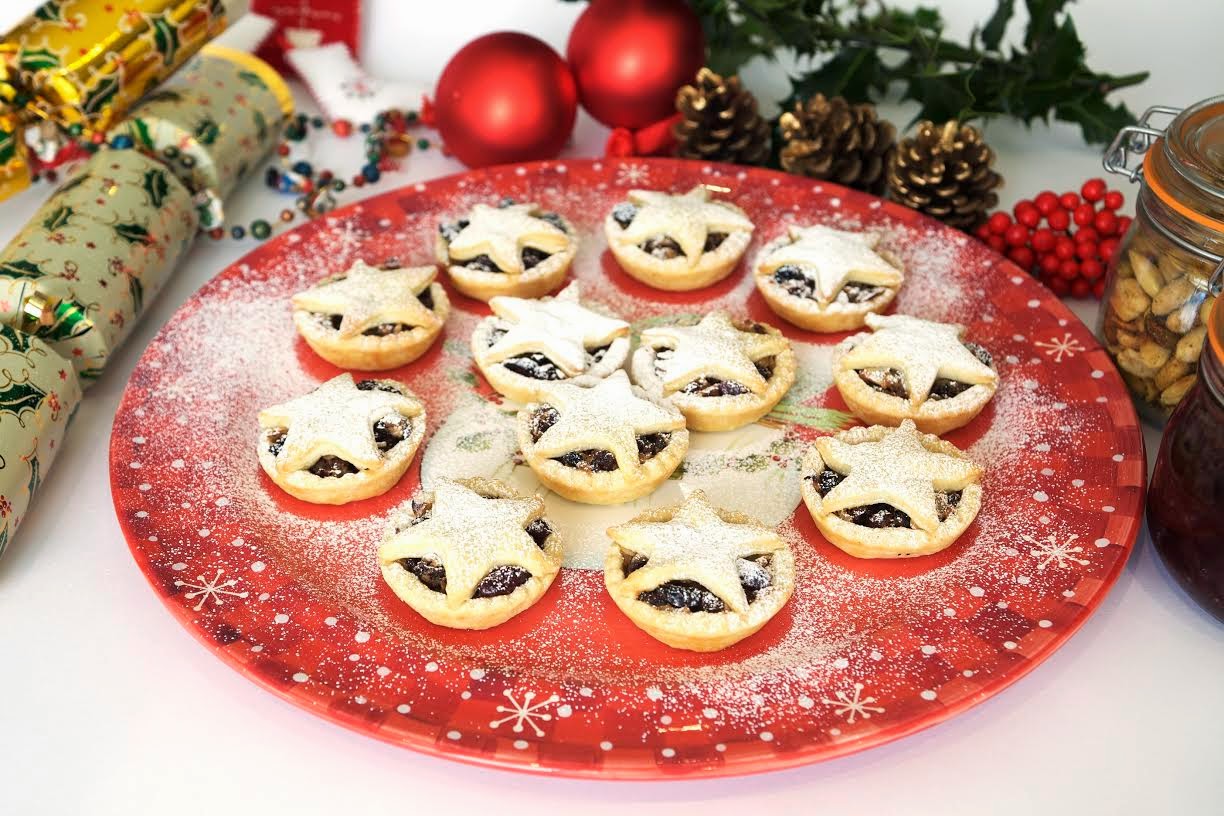
Fortunately, gluten-free desserts can be just as decadent, delicious, and festive as any!
Below, you'll find some wonderful gluten-free dessert recipes that will keep everyone in high spirits this Christmas.
1. Gluten-Free Christmas Pudding
Nothing says Christmas quite like a traditional Christmas pudding, rich with fruits and spices. Here’s a gluten-free version that’s moist, delicious, and captures the essence of this classic British dessert.
Ingredients:
100g raisins
100g sultanas
100g currants
50g chopped dates
50g chopped apricots
100g gluten-free plain flour
100g suet or dairy-free alternative
100g soft brown sugar
1 apple, grated
Zest of 1 lemon and 1 orange
2 tbsp brandy (or apple juice for a non-alcoholic option)
1 tsp mixed spice
½ tsp ground cinnamon
2 large eggs, beaten
Instructions:
Soak all dried fruits in brandy overnight.
In a large bowl, mix the soaked fruit, grated apple, zest, sugar, suet, and spices.
Stir in the flour and beaten eggs until well combined.
Spoon the mixture into a greased pudding basin, cover with greaseproof paper, and secure with foil.
Steam for 5-6 hours in a large pot with water halfway up the basin, checking the water level occasionally.
Serve with brandy butter, custard or cream.
2. Gluten-Free Mince Pies
Mince pies are a must-have during the Christmas season, and with a buttery, crumbly gluten-free pastry, these will be a huge hit.
Ingredients:
200g gluten-free plain flour
100g unsalted butter, chilled and cubed
1 tbsp caster sugar
1 large egg yolk
1-2 tbsp cold water
200g mincemeat (make sure it’s gluten-free)
Instructions:
Preheat your oven to 200°C (180°C fan).
In a bowl, rub the butter into the flour until it resembles breadcrumbs. Mix in sugar, egg yolk, and water to form a dough.
Roll out the dough on a floured surface and cut out circles for the bases and stars for the tops.
Place a spoonful of mincemeat into each pie and top with a pastry star.
Bake for 15-20 minutes or until golden. Dust with icing sugar to serve.
3. Chocolate Yule Log (Gluten-Free)
A yule log is a showstopper on any Christmas table, and this gluten-free version is as light and indulgent as the original.
Ingredients:
4 large eggs
100g caster sugar
65g gluten-free self-raising flour
25g cocoa powder
200ml double cream, whipped
Icing sugar, for dusting
For the Chocolate Ganache:
100g dark chocolate
100ml double cream
Instructions:
Preheat your oven to 180°C (160°C fan) and line a Swiss roll tin with baking paper.
Whisk eggs and sugar until pale and thick. Sift in the flour and cocoa, folding carefully.
Spread the mixture into the tin and bake for 10 minutes. Once out, roll up with baking paper inside and cool.
For the ganache, melt chocolate and cream together, stirring until smooth. Let it cool slightly.
Unroll the sponge, spread with whipped cream, and roll up again. Spread ganache on top and decorate with holly.
4. Gluten-Free Trifle with Berries and Custard
Layered with sponge, berries, custard, and cream, this trifle is both beautiful and delicious, offering a light but indulgent treat.
Ingredients:
1 gluten-free sponge cake, cubed
300g mixed berries
100ml sherry (optional)
500ml gluten-free custard
300ml double cream, whipped
Chocolate shavings, for garnish
Instructions:
Layer the sponge cake at the bottom of a trifle bowl, pouring over sherry if desired.
Layer berries over the cake, followed by custard.
Top with whipped cream and garnish with chocolate shavings. Chill before serving.
5. Cranberry and Orange Cheesecake (No-Bake and Gluten-Free)
This bright, zesty cheesecake is the perfect festive end to a Christmas feast and requires no baking at all.
Ingredients:
200g gluten-free digestive biscuits, crushed
100g unsalted butter, melted
500g cream cheese
100g caster sugar
Zest of 1 orange
200ml double cream
100g fresh cranberries, for topping
Instructions:
Combine biscuit crumbs with melted butter and press into the base of a springform tin. Chill in the fridge.
In a bowl, beat cream cheese, sugar, and orange zest until smooth. Fold in whipped cream.
Spread the mixture over the base and top with cranberries.
Chill for at least 4 hours or overnight. Slice and serve.
With these gluten-free treats, everyone can indulge without worry. Wishing you a Merry Christmas filled with warmth, cheer, and the sweet taste of festive joy!
My wife has coeliac disease so we have to look out for gluten free recipes for her.
A Typical French Christmas Celebration

This is a part of our series on Christmas from various parts of the world.
When December approaches in France, the spirit of Christmas fills the air with its unique blend of winter charm, vibrant customs, and culinary delights.A French Christmas, or “Noël,” is steeped in tradition and family-oriented customs, making it a season that emphasises warmth, generosity, and joy. Here’s a look at what you can expect from a traditional French Christmas celebration.
Advent Season & Christmas Markets
In many regions, the Christmas season officially begins with Advent. It’s common for families to use an Advent calendar, “calendrier de l'Avent,” with a little treat or picture for each day leading up to Christmas. In the eastern regions like Alsace and Lorraine, traditions borrowed from German culture bring colourful Christmas markets, “marchés de Noël,” which are now common in cities across France. These markets are brimming with holiday treats, handicrafts, decorations, and vin chaud (hot mulled wine) — perfect for keeping warm while browsing for Christmas gifts.
The Nativity Scene – La Crèche
In France, nativity scenes, or crèches, are a cherished part of Christmas decor. They are often populated with figurines known as santons (meaning "little saints") representing not only biblical figures but also the people of the local community: farmers, bakers, fishermen, and shepherds. Provence is particularly famous for its santons, and families there may add a new figurine each year. In the days leading up to Christmas, some French families set up their crèche while children excitedly wait for le Petit Jésus to be placed in the manger on Christmas Eve.
Christmas Eve – Le Réveillon
In France, Christmas celebrations peak on Christmas Eve, with Le Réveillon, an elaborate family meal after the Midnight Mass. It’s a feast known for luxurious dishes and joyous indulgence, reflecting regional tastes and traditions. In northern France, seafood such as oysters and lobster might be a prominent feature, while in the south, dishes can include foie gras, roasted meats, and hearty stews. Bûche de Noël, a yule log cake resembling a tree branch, is the traditional dessert, often decorated with sugar dusting to resemble snow and little woodland figurines.
For those who prefer not to attend Midnight Mass, an evening church service is typically attended, followed by a celebratory meal at home. French churches are filled with carolers and worshippers, who come to celebrate the sacred aspects of Christmas before gathering around the table.
Christmas Day & Gift Giving
On Christmas morning, children wake up eager to open their presents, which are sometimes placed in stockings at the end of their beds or under the Christmas tree. Père Noël (Father Christmas) is the traditional gift-bringer, often accompanied by Père Fouettard, a character who warns children to be good. Unlike other countries where gifts are the highlight of Christmas morning, in France, the focus remains on togetherness and shared meals.
Saint Nicholas Day in Northern France
In the northeast regions like Alsace and Lorraine, the Christmas season officially starts on December 6th, known as Saint Nicholas Day. Saint Nicholas, the patron saint of Lorraine, is celebrated with parades and small gifts, especially for children. This tradition makes the Christmas season feel even longer and more festive in these regions, adding to the charm of a northern French Christmas.
Epiphany – La Fête des Rois
In France, the Christmas season extends into January, ending with the Fête des Rois (Epiphany) on January 6th. This day commemorates the arrival of the Three Wise Men. The French celebrate it with a galette des rois, a puff pastry cake filled with almond cream, or brioche des rois in the south. Inside the cake, there’s a small figurine, and the person who finds it in their slice becomes the "king" or "queen" for the day.
A French Christmas is a wonderful tapestry of flavours, traditions, and a deep sense of family connection. From the bustling markets to the sacred moments at Midnight Mass, the season feels alive with meaning and beauty.
With so many delightful traditions, a French Christmas is truly a feast for all the senses, celebrating togetherness, joy, and a shared love for both family and faith.
Thursday, 24 October 2024
Homemade Pickles to Elevate Your Christmas Feast
.jpg)
Pickles add a delightful sharpness and vibrant colour to your Christmas spread, cutting through the richness and complementing a variety of dishes.
Why not make your own this year? It’s simpler than you might think, and the results are far superior to shop-bought versions. Plus, they make for a lovely homemade gift!
Here’s how you can create some deliciously unique pickles to impress your guests this Christmas.
Ingredients You’ll Need
For Basic Pickling Brine (makes enough for 2-3 jars):
500ml white wine vinegar or apple cider vinegar
500ml water
100g caster sugar
2 tbsp sea salt
Spices & Aromatics (adjust to taste):
2-3 bay leaves
1 tbsp mustard seeds
1 tbsp coriander seeds
1 tsp black peppercorns
A few sprigs of fresh dill
1-2 garlic cloves, lightly crushed
1 small chilli, sliced (optional, for heat)
Vegetables for Pickling:
2 large cucumbers, thinly sliced (for classic cucumber pickles)
300g baby onions or shallots, peeled (perfect for pickled onions)
1 head of cauliflower, cut into small florets (a festive vegetable pickle)
200g carrots, sliced into sticks or rounds (adds a lovely colour and crunch)
200g radishes, halved (for a peppery bite)
Instructions:
Prepare the Vegetables
Ensure your vegetables are fresh and evenly cut to ensure consistent pickling. For particularly hard vegetables like carrots, blanch them in boiling water for 2-3 minutes to slightly soften them before pickling. This will allow them to absorb the brine more easily.
Sterilise Your Jars
Sterilise your glass jars by washing them in hot, soapy water, then placing them in a low oven (about 140°C) for 10 minutes. Alternatively, you can run them through a dishwasher on a high-temperature setting. Sterilising is important to prevent any bacteria from spoiling your pickles.
Make the Pickling Brine
In a medium saucepan, combine the vinegar, water, sugar, and salt. Heat the mixture gently, stirring until the sugar and salt have dissolved completely. Once done, remove from heat.
Pack the Jars
While the brine is still warm, tightly pack your prepared vegetables into the sterilised jars. Add your chosen spices and aromatics. The bay leaves, garlic, mustard seeds, and dill are classics, but you can experiment with other flavours like ginger, star anise, or even cinnamon for a festive twist.
Pour the Brine
Carefully pour the hot brine over the vegetables in each jar, ensuring that the vegetables are fully submerged. Leave a small gap at the top of the jar before sealing tightly with a lid.
Let the Flavours Develop
For the best flavour, store your pickles in the fridge or a cool, dark place for at least 2-3 days before eating, though they’ll be even better after a week. Most pickles can last up to two months when refrigerated, though they tend to get eaten much sooner!
Christmas Pairings
Cucumber and Dill Pickles: Crisp and refreshing, they pair wonderfully with cold cuts of leftover turkey or ham, and even work well in Boxing Day sandwiches.
Pickled Onions: A classic alongside a hearty cheeseboard or served with pâtés and terrines.
Spiced Carrots & Cauliflower: These make a striking addition to your buffet table and add a festive twist with their warm spices.
Radish Pickles: With their peppery undertones, these are perfect alongside roast meats or even as part of a crunchy salad.
Personal Touch
Homemade pickles also make a thoughtful, personal gift during the festive season. Simply tie a ribbon around the jar, add a handmade label, and they’re ready to give. Your friends and family will appreciate the effort, and they’ll think of you every time they enjoy the tangy crunch of your pickles with their Christmas dinner.
A Festive Essential
Making your own pickles is not only satisfying but also allows you to customise the flavours exactly to your liking. Whether you're enjoying a roast, a cheeseboard, or the iconic leftovers sandwich, these pickles will be the perfect accompaniment to elevate your Christmas feast. Plus, the vibrant colours and fresh flavours are just the thing to balance out the rich, indulgent foods that define the season.
So, this Christmas, why not add a homemade touch to your table and discover the joy of pickling? You’ll find that these tangy treats quickly become a festive essential.
You can transfer some of your homemade pickles into smaller sterilised jars to use for great, personalised Christmas gifts.
How Over 60s Can Take Advantage of Discounts for Christmas Shopping

For those of us over 60, there’s good news! Many shops and businesses offer special discounts to seniors, which can be a great help when it comes to stretching your finances and enjoying the Christmas season without breaking the bank.
Here’s a guide to finding and making the most of these discounts while doing your holiday shopping.
1. Supermarkets Offering Discounts to Over 60s
Food shopping is often one of the biggest expenses at Christmas, but several UK supermarkets recognise the financial challenges faced by older customers and offer senior discounts. Although these discounts are not always advertised, it’s worth checking in-store or online to see if they are available.
Co-op: In some regions, Co-op stores offer a senior discount of 10% on selected days when you present a valid membership card.
Iceland: Iceland offers ‘Over 60s Tuesdays’, where customers over the age of 60 can receive 10% off their grocery bill. This can be a lifesaver when stocking up on festive treats and essentials.
Always ask the cashier or check online for updates, as these offers can vary by location and may only be available on specific days of the week.
2. High Street Shops with Discounts for Seniors
Many high street retailers offer discounts for those over 60, particularly in the lead-up to Christmas. These stores can be excellent places to shop for gifts without overspending. Here are a few places to keep an eye on:
Boots: Boots frequently offers discounts for Advantage Card holders, including those over 60. The Advantage Card also allows you to collect points that can be redeemed on future purchases, perfect for stocking up on toiletries and beauty gifts.
Marks & Spencer: M&S often runs promotions, and while they don’t have a fixed senior discount, there are regular sales and loyalty schemes that offer excellent value. Keep an eye on their festive sales and loyalty vouchers.
Clarks: If you’re looking to treat yourself or a loved one to some comfortable shoes for Christmas, Clarks offers a 10% discount to seniors, which can be used in-store and online.
3. Discounts on Food and Drink
Whether you’re planning a Christmas dinner or just want to enjoy some festive meals out, many restaurants and cafes provide discounts for older customers. Here are some options to consider:
Harvester: Harvester restaurants often offer a senior citizen discount or special menus at reduced prices. This is perfect for a relaxed meal out during the festive season.
Wetherspoons: Many Wetherspoons pubs have discounted meal offers for older customers, especially during lunchtime. This can be a great way to meet up with friends for a festive meal without spending too much.
Morrisons Café: Some Morrisons cafés offer special discounts for seniors, so it’s worth checking if your local branch has a Christmas offer. They often have a great selection of meals, perfect for a festive catch-up over a hot meal or tea.
4. Looking Out for Special Christmas Promotions
As Christmas approaches, businesses often increase their promotions and special offers, and many extend these to senior customers. Keep an eye out for seasonal promotions in your local area, as smaller independent shops and markets often offer discounts to attract older shoppers.
Local Garden Centres: Many garden centres offer senior discount days. They’re great places to pick up Christmas decorations, plants, and even unique gifts.
Department Stores: Stores like Debenhams or House of Fraser occasionally run senior discount days, and during the festive season, there are often sales where you can stack additional discounts. Look for ‘friends and family’ events which sometimes allow extra reductions.
5. Online Shopping for Discounts
Many older shoppers are now turning to online shopping for its convenience, especially during the busy Christmas period. There are numerous online retailers offering senior discounts or loyalty schemes that can make shopping easier and cheaper.
Amazon: While Amazon doesn’t offer specific senior discounts, they do have deals during their Christmas and Black Friday sales that can help you save on everything from gifts to food hampers. If you’re an Amazon Prime member, you can also take advantage of fast and free shipping, which can be particularly handy during the festive rush.
Sainsbury’s Online: Sainsbury’s often runs promotions, and signing up for their Nectar Card can lead to discounts on groceries, gifts, and festive drinks.
6. Don’t Be Afraid to Ask
Many businesses don’t always advertise their discounts for seniors, but that doesn’t mean they aren’t available. Whether you’re in a large chain store or a small local shop, it never hurts to ask if they offer a discount for those over 60. Many staff members will be happy to let you know about any available offers.
In restaurants or cafés, don’t hesitate to ask about senior menus or discounts, particularly when ordering Christmas meals. You might be surprised at the savings you can find simply by asking the question.
7. Use Your Concessions to Save on Travel
Don’t forget that many of us over 60 can also take advantage of travel concessions, which will help us get to the shops for less. Whether it’s a Senior Railcard or free bus travel (over 65s, now) using these benefits can cut down the cost of travelling to do your Christmas shopping.
If you’re visiting a shopping centre or travelling to see family and friends over the festive period, these savings can quickly add up, leaving more in your budget for gifts and treats.
As we prepare for the festive season, those of us over 60 can take advantage of a wide range of discounts that make Christmas shopping more affordable. From food and drinks to gifts and festive treats, these savings can help ease the financial burden while still allowing you to celebrate in style.
By being mindful of where to shop and asking about senior discounts, you can ensure that your Christmas is filled with joy, goodwill, and great value. Happy bargain hunting and have a wonderful festive season!
This website will be of help to those of us who are over 60:- https://www.over60sdiscounts.co.uk
Why Charity Shops are a Hidden Gem for Amazon Returns and Overstock Deals at Christmastime
 |
| Image courtesy Jill Wellington & Pixabay |
These items, often returned by customers or unsold inventory, are sold off at significantly reduced prices.
What many people don’t realise is that charity shops are becoming a prime spot for finding these deals. Charity shops often receive consignments of Amazon pallets, offering returned or overstocked goods at a fraction of the original cost. Here’s why you should check them out.
1. Affordable Prices on High-Quality Items
One of the biggest draws of charity shops is their affordability. Items that come from Amazon returns or overstock are often still in great condition, sometimes even brand new or in their original packaging. Whether it’s electronics, homeware, clothing, or toys, these products are sold at much lower prices than you’d find online or in high street shops.
Because charity shops receive these goods in bulk, they can sell them at incredibly low prices, allowing you to get a great deal while also supporting a good cause.
2. Supporting a Worthy Cause
When you buy from a charity shop, you’re not just snagging a bargain—you’re also contributing to a charitable cause. Charity shops raise funds for a wide range of initiatives, from medical research and supporting the homeless to caring for animals and providing community services.
So, while you’re finding great deals on Amazon returns or overstock items, your money is going towards helping those in need. It’s a win-win situation: you save money, and your purchase helps make a difference in someone’s life.
3. Sustainable Shopping
Shopping at charity shops is also an eco-friendly choice. By purchasing Amazon returns or overstock items from these stores, you’re helping reduce waste. Many of these products might otherwise end up in landfills if not sold. By giving these goods a new home, you’re contributing to a more sustainable way of living, reducing demand for new items, and minimising environmental impact.
This kind of shopping not only benefits your wallet but also aligns with the growing trend of sustainability and conscious consumerism.
4. A Wide Variety of Items
Because charity shops receive such varied stock from Amazon pallets, you never know what treasures you might find. The selection could include everything from kitchen gadgets and beauty products to tech accessories and clothing. It’s an exciting experience because each visit can bring new and unexpected finds.
This element of surprise keeps many shoppers coming back regularly. It’s a bit like treasure hunting—you might walk in looking for one thing and leave with something completely different but equally useful or desirable.
5. How to Find Charity Shops Selling Amazon Pallets
Not all charity shops sell Amazon returns or overstock, but many larger or well-established ones do. If you’re specifically looking for these kinds of deals, it’s worth doing a bit of research. Visit or call charity shops in your local area and ask whether they receive Amazon pallets or similar consignments. Some stores may even advertise when they get new stock, so it’s worth keeping an eye on their social media or in-store announcements.
Another tip is to visit charity shops in higher-income areas, where donations tend to be more frequent, and there may be more stock coming from major retailers like Amazon.
6. Tips for Shopping Amazon Returns at Charity Shops
While shopping for Amazon returns and overstock items at charity shops can be exciting, there are a few things to keep in mind to get the most out of the experience:
Inspect Items Carefully: Some returns may be open-box or slightly used, so it’s a good idea to check for any signs of wear or damage. Many charity shops will label items accordingly, but it’s always worth having a closer look.
Visit Regularly: Stock at charity shops turns over frequently, and Amazon pallets are often snapped up quickly. Visiting your local charity shop regularly increases your chances of finding the best bargains before they’re gone.
Ask About Return Policies: While charity shops generally don’t offer the same return policies as major retailers, it’s worth checking if they allow exchanges or returns on certain items. This is especially important if you’re buying electronics or more expensive goods.
Shop with an Open Mind: Because charity shops depend on donations and consignments, the stock can vary from day to day. Go in with an open mind, and you may just find something unexpected that fits your needs.
If you’re looking for Amazon returns or overstock bargains, don’t overlook charity shops. These stores are often stocked with consignments of Amazon pallets, offering high-quality goods at a fraction of their original price.
Not only will you find great deals, but you’ll also be supporting a charitable cause and making a sustainable shopping choice. So, next time you’re on the hunt for a bargain, take a trip to your local charity shop—you might just be surprised by what you find!
How to Be of Good Cheer This Christmas. Nine Pointers to How to Do This Without Breaking the Bank
 |
| Image courtesy Shirley Hirst & Pixabay |
From buying presents to hosting festive meals, it’s easy to feel the strain on your wallet.
However, being of good cheer doesn’t have to come with a hefty price tag. With a little planning and creativity, you can enjoy the festive season without overspending. Here are some tips to help you celebrate Christmas on a budget while still keeping the spirit of the season alive.
1. Set a Budget and Stick to It
Before the festive season fully kicks off, take a moment to set a realistic budget for your Christmas spending. This should include everything from gifts and decorations to food and outings. Once you’ve set your budget, commit to sticking to it. It’s easy to get caught up in the excitement and overspend, but having a clear plan in place will help you stay on track.
A good way to break down your budget is to allocate specific amounts for each area—presents, food, travel, and any extras. If you know how much you’re willing to spend in each category, it will be easier to make decisions without going overboard.
2. Give Thoughtful, Not Expensive, Gifts
It’s easy to feel like you need to buy lavish gifts to show you care, but thoughtful presents often mean much more than expensive ones. Personalised gifts, homemade items, or experiences can have a lasting impact without costing a fortune. For example, you could make a scrapbook, bake some festive treats, or offer to help someone with a task they’ve been putting off.
You can also consider gifting experiences rather than physical items. A promise to spend time together, such as a picnic or a day out, can be more meaningful than material goods. The key is to focus on what will bring joy to the recipient, rather than the price tag.
3. DIY Decorations
Christmas decorations can be beautiful without being expensive. Instead of splurging on new décor every year, consider making your own. DIY decorations add a personal touch to your home and can become a fun activity to enjoy with family and friends. You can use materials you already have, such as paper, fabric, or even natural items like pine cones and holly from your garden.
There are plenty of online tutorials for making everything from wreaths to tree ornaments. Not only will this save you money, but it can also become a cherished holiday tradition.
4. Plan Affordable Festive Meals
Christmas dinner is one of the highlights of the season, but it doesn’t have to break the bank. Plan your meals ahead of time and look for ways to cut costs without sacrificing quality. Buying ingredients in bulk or opting for seasonal produce can help you save. Consider simple yet delicious recipes that won’t require expensive ingredients.
Another great way to reduce the cost of the festive feast is to share the load. If you’re hosting Christmas dinner, ask family members or friends to contribute by bringing a dish or dessert. This not only helps to spread the cost but also allows everyone to feel involved in the meal.
5. Take Advantage of Sales and Discounts
Christmas sales, both before and after the holiday, can be a great opportunity to buy gifts and decorations at a reduced price. Keep an eye out for discounts, special offers, and promotions. Black Friday and Cyber Monday often offer significant savings on a wide range of products, so plan ahead and try to purchase items on sale if you can.
Additionally, don’t forget to use loyalty points, discount vouchers, or cashback offers if available. These small savings can add up and help you stay within your budget.
6. Organise a Secret Santa
Rather than buying gifts for everyone in your family or friendship circle, consider organising a Secret Santa. This tradition limits the number of presents you need to buy, as each person only purchases a gift for one other person. You can set a budget cap, ensuring that everyone is comfortable with the amount being spent.
Secret Santa can be a fun and stress-free way to exchange gifts, and it keeps the focus on the thought behind the present rather than the cost.
7. Focus on the Spirit of the Season
Remember that the essence of Christmas is about spending time with loved ones, not about how much you spend. Focus on creating lasting memories, whether it’s through family traditions, playing games, or simply enjoying each other’s company. These moments are priceless and don’t require a hefty bank account.
If finances are tight, consider volunteering your time to help others in need during the festive season. Giving back to the community is a wonderful way to embody the Christmas spirit, and it can bring a sense of fulfilment and cheer that money can’t buy.
8. Reuse and Repurpose
Christmas doesn’t have to be all about buying new things. Reusing decorations, wrapping paper, and even gift bags from previous years is a smart way to save money. You can also repurpose items you already own to create new decorations or gift packaging.
For example, old newspapers, magazines, or fabric can be used as unique and eco-friendly wrapping materials. Not only does this help your budget, but it’s also a more sustainable way to celebrate the holidays.
9. Avoid Last-Minute Shopping
Last-minute shopping often leads to impulsive purchases, which can quickly push you over budget. Plan your gift-buying early to avoid panic purchases. This way, you can take advantage of sales, compare prices, and make more thoughtful decisions without the pressure of a looming deadline.
By shopping early, you’ll also have more time to personalise your gifts, making them more meaningful without spending extra.
Christmas can be a magical time of year, even on a budget. By focusing on thoughtful gestures, creative solutions, and meaningful experiences, you can enjoy the holiday season without financial stress.
The true spirit of Christmas lies in spending time with loved ones and appreciating the joy of giving—not in how much you spend. So, keep the festive cheer alive and celebrate in a way that leaves both your heart and wallet full.
Merry Christmas!
Subscribe to:
Posts (Atom)