
Showing posts with label Wales. Show all posts

Friday, 26 December 2025

Independent Cardiff pub North Star to close on New Year’s Eve

North Star, the be-loved independent community pub located at 131 North Road, Cardiff, CF14 3AE, has today announced it will close its doors permanently on New Year’s Eve, 31 December 2025. 

The closure brings to an end more than five years of trading under the North Star name, following its opening in August 2020, and marks the end of a pub site that has served Cardiff for well over a century. 

Despite extensive efforts to continue trading, rising costs and cost-of-living pressures have forced the closure of a much-loved independent Cardiff pub. The owners describe the decision as unavoidable in the current economic climate. 

Owner Tom Edwards told That's Christmas 365: “This is without question the hardest decision we’ve ever had to make, and it’s not what we wanted. We’ve explored every possible option to keep North Star going, but in the current climate we feel this is the only responsible choice left to us.” 

North Star has been one of the few truly independent pubs in the area, not owned or leased by a brewery. Since opening, it has built a reputation as a strong community pub and a safe, welcoming space for all, particularly for students, local residents, creatives and musicians. 

“North Star has never just been a pub, it’s been a community,” Tom Edwards added. 

The venue became best known for its Sunday roasts and food offering, quiz nights, karaoke, and for supporting local independent music, while also providing a consistent, inclusive space for people to gather. 
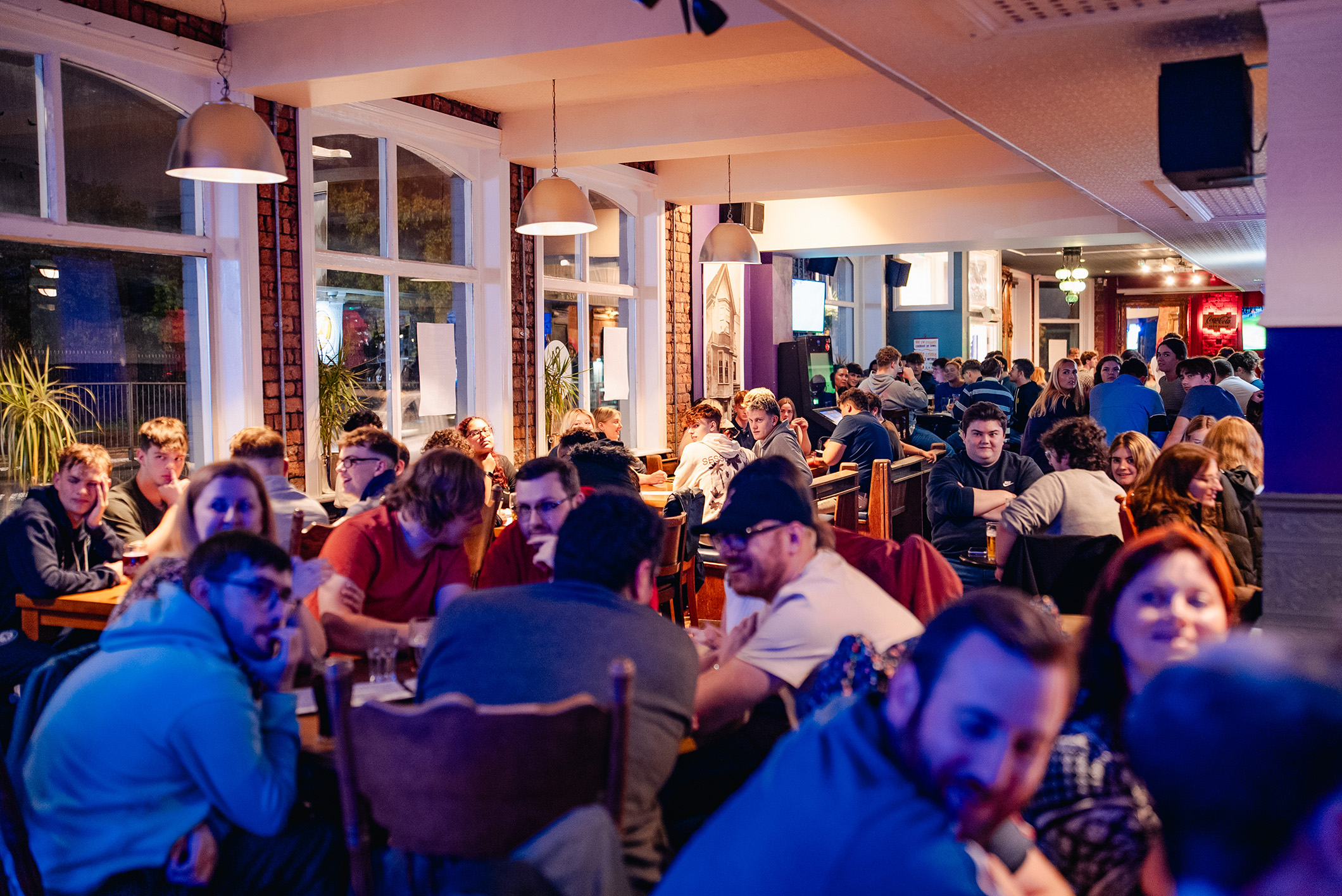
Manager David Rowlands said: “We’re immensely proud of what this pub has stood for. This place meant something to people, and that’s what hurts the most.”

A historic pub site on North Road 

The building at 131 North Road has a long and continuous history as a public house. 

Originally established as the Maindy Hotel, the site received its first provisional licence in October 1888, meaning it has operated as a pub for over 135 years. 

Over the decades, the venue has been known by several names, including the Maindy Hotel and later The College Tavern, before becoming North Star in 2020. 

“From the Maindy Hotel to the College Tavern to North Star, this building has always been a place for people.” 

The site’s longstanding role as a community gathering place — spanning generations of locals, students and visitors — underscores why its closure is more than the loss of a single business; it marks the end of a century-plus chapter in Cardiff’s social history. 

“This isn’t just the loss of a business,  it’s the end of a pub site that’s served Cardiff for more than a century.” 

Recognition and local profile 

North Star has consistently been recognised for its role within Cardiff’s social and hospitality scene: 

● WalesOnline has previously described North Star as a “Cardiff institution adored by students and locals alike.” 

● The Cardiff Tab has reported on North Star’s financial pressures, highlighting the venue’s importance to the student and local community. 

● The pub holds a 4.9/5 rating on Tripadvisor from over one hundred reviews, with consistent praise for its food, atmosphere and Sunday roasts. 

● North Star has been name-checked in wider Cardiff food commentary connected to coverage by respected food critic Jay Rayner, placing it among the city’s notable independent venues. 

● The venue was also highlighted in national press such as the Mirror, in coverage of broader hospitality challenges, demonstrating its relevance and resonance beyond Cardiff. 

The pub will continue trading through the festive period, with New Year’s Eve marking its final night of service. Customers are invited to join the team for a final send-off. 

Friday, 12 December 2025

Cacen Waed Gwyddau: The Welsh Goose Blood Cake with a Christmas Past

Discover Cacen Waed Gwyddau, the historic Welsh goose blood cake once made at Christmastime, and explore its origins, meaning, and place in festive food heritage.

Christmas food traditions across Britain are wonderfully varied, deeply local, and sometimes a little surprising. 

While most of us are familiar with mince pies, Christmas pudding, and roast turkey, Wales has its own rich culinary heritage, including one of the most unusual festive dishes you may never have heard of: Cacen Waed Gwyddau, or Goose Blood Cake or tart.

This historic Welsh delicacy may sound startling to modern ears, but it tells an important story about thrift, seasonality, and how Christmas was once celebrated in rural communities.

What Is Cacen Waed Gwyddau?

Cacen Waed Gwyddau literally translates as “goose blood cake”. It is traditionally a baked tart or cake made using goose blood, combined with ingredients such as:

Goose blood

Suet or dripping

Flour or breadcrumbs

Onions

Herbs and spices

Sometimes dried fruit or oats

The result was a dense, savoury bake, more akin to a pudding or tart than a modern cake, designed to make use of every part of the goose.

Why Goose Blood at Christmas?

Before supermarkets, refrigeration, and global food supply chains, Christmas was the time when livestock was slaughtered for winter. In many Welsh households, the Christmas goose was the centrepiece of the festive meal long before turkey became fashionable.

Waste was not an option.

Using goose blood was practical, economical, and deeply ingrained in rural life. Blood provided richness, protein, and binding, much like it does in black pudding, and allowed families to stretch scarce resources further during the long winter months.

Cacen Waed Gwyddau was often made around Christmas or New Year, when geese were prepared, making it a seasonal dish rather than an everyday one.

A Dish Rooted in Respect and Resourcefulness

While modern tastes may recoil at the idea, dishes like Goose Blood Cake speak to a time when:

Animals were raised locally

Food was seasonal and precious

Nothing edible was wasted

Cooking was guided by necessity, not novelty

In that sense, Cacen Waed Gwyddau sits comfortably alongside other traditional British blood dishes such as black pudding, faggots, and savoury puddings.

This was not about shock value, it was about survival, respect for livestock, and feeding families through harsh winters.

Was It Sweet or Savoury?

Most historical references suggest Cacen Waed Gwyddau was savoury, often flavoured with onion and herbs, though some regional or family variations may have leaned towards a lightly spiced, enriched pudding.

Recipes were rarely written down. Like many traditional Welsh dishes, it was passed from generation to generation by memory and method rather than precise measurements.

Does Anyone Still Eat It Today?

Cacen Waed Gwyddau is now extremely rare, and you are unlikely to find it on modern Christmas tables — or in shops.

However, it occasionally appears in:

Food history discussions

Welsh cultural heritage events

Academic or museum references

Experimental heritage cookery

Its value today lies less in widespread consumption and more in what it teaches us about how Christmas was once lived and cooked.

Christmas Traditions Aren’t Always Pretty... But They Are Honest

At That’s Christmas 365, we often celebrate cosy, comforting traditions, but it’s also important to remember that Christmas history includes hardship, ingenuity, and resilience. And it is a nod to the Welsh ancestors of both my wife and myself who, as coming from Welsh farming stock, could well have made and eaten Cacen Waed Gwyddau at Christmastime.

Cacen Waed Gwyddau reminds us that festive food was once about:

Making the most of what you had

Feeding large families affordably

Preparing for winter survival

Honouring animals by wasting nothing

It may not be a dish most of us would recreate today, but it deserves its place in the rich tapestry of Welsh Christmas traditions.

A Taste of Christmas Past

So next time you sit down to a beautifully plated Christmas dinner, spare a thought for the generations who made do with far less, and still found ways to mark the season with care, tradition, and communal meals.

Cacen Waed Gwyddau may be a relic of the past, but it tells a powerful story of Christmas in Wales — one rooted in history, honesty, and respect.

Tuesday, 9 December 2025

Cygnet Gin. From Wales, Ideal for Festive Gifting and Festive Feasting

Cygnet Founder Katherine Jenkins OBE
Cygnet Gin offers a trio of exceptional Welsh gins available with the ease and speed of Amazon delivery. 

Each bottle brings craftsmanship, purity and elegance to the forefront and is perfect for effortless gifting.

At the heart of every Cygnet expression is its botanicals. Each gin is distilled with carefully selected botanicals, ranging from Welsh-sourced ingredients to rare additions such as Manuka Honey.

Whether you’re gifting a seasoned spirits enthusiast or simply looking for a beautiful, impressive present at the eleventh hour, or something special for your Christmas drink table, Cygnet transforms a last-minute purchase into something truly luxurious. The available bottles include:

Cygnet 22 – 70cl (44% ABV) - £54.90 on Amazon

Created for those who appreciate harmony and depth, Cygnet 22 brings together 22 botanicals chosen for finesse and flavour. The addition of Manuka honey lends a soft, velvety texture that elevates the entire profile, making it exceptional neat or over ice. A luxurious gift that feels special from the first sip. https://amzn.to/4oJEcHh

Cygnet 77 – 70cl (44% ABV) - £127.99 on Amazon

The pinnacle of the Cygnet collection, Cygnet 77 begins with the 22 botanical base resting for 55 weeks in Welsh whiskey barrels with added Manuka honey. The result is a rare and powerful spirit with extraordinary maturity and richness. For recipients who already ‘have everything’, this is a show-stopping last minute gift that leaves a last impression. https://amzn.to/4aG1daH

Cygnet Welsh Dry Gin – 70cl (40% ABV) - £39.99 on Amazon

A refined and modern expression of a classic dry gin, Cygnet Welsh Dry Gin is distilled using the purest Welsh water and a blend of 12 of the finest botnicals, creating a truly vibrant gin. The gin features a bright juniper supported by bold citrus and subtle florals. A beautifully balanced, versatile gin that makes an accessible yet elevated gift. https://amzn.to/44VJHeM

https://cygnet-distillery.com

Saturday, 23 November 2024

Why Welsh Love Spoons Make Excellent Christmas Gifts for the Lady in Your Life

As Christmas approaches and the hunt for the perfect gift begins, it can be tricky to find something meaningful, unique, and beautiful. 

If you’re looking for a present that will stand out and convey heartfelt sentiment, a Welsh love spoon might just be the ideal choice for the lady in your life.

The genesis for this post? My wife's family originates in Wales, in fact she pleases and amuses displaced Welsh people by chatting to them in their native tongue! 

She adores Welsh Love Spoons and, over the years, has amassed quite a collection, with some bought by me. In fact, I'm going to buy her another one for this Christmas!

So, what exactly are Welsh love spoons? 

A Tradition Steeped in Romance

Welsh love spoons date back to the 17th century and originated as tokens of affection carved by young men for the women they admired. These intricately designed spoons were a way to express love, commitment, and admiration. Today, they continue to symbolise care and devotion, making them a romantic and timeless gift for Christmas.

A Gift with Meaning

What sets Welsh love spoons apart is the symbolism embedded in their designs. Every carved element has a specific meaning, allowing you to personalise the spoon to reflect your relationship. Hearts represent love, chains symbolise togetherness, and keys signify a promise to unlock one’s heart. By choosing a love spoon with motifs that resonate with your shared story, you’re giving more than just a gift—you’re giving a deeply personal keepsake.

Handcrafted Beauty

In a world dominated by mass-produced items, a Welsh love spoon offers something refreshingly authentic. Traditionally hand-carved from wood, these spoons showcase the skill and craftsmanship of artisans. Their tactile beauty and rustic charm make them a pleasure to hold and display, adding a touch of elegance to any home.

Versatile and Lasting

Welsh love spoons are versatile gifts that suit a variety of relationships. Whether you’re gifting one to a partner, wife, girlfriend, or even a close friend, the message of care and thoughtfulness is universal. Moreover, as they’re made from wood, they are durable and long-lasting, becoming a cherished memento for years to come.

Supporting Local Heritage

By choosing a Welsh love spoon, you’re not only giving a beautiful gift but also supporting a traditional craft that’s integral to Welsh culture. Many spoons are still crafted by artisans in Wales, keeping this historic art form alive. It’s a gift with heart and heritage—a rare combination.

Perfect for the Christmas Spirit

Christmas is a time for expressing love and gratitude, and a Welsh love spoon embodies these sentiments perfectly. Its warm wooden tones and intricate carvings feel especially festive, and it’s a gift that speaks to the deeper meaning of the season—connection, care, and generosity.

Where to Find Welsh Love Spoons

You can find Welsh love spoons in specialist shops, online boutiques, or even directly from Welsh artisans. Look for those that offer customisation options so you can tailor the design to reflect the personality and preferences of the recipient.

A Gift to Treasure

In a world where disposable gifts are all too common, a Welsh love spoon stands out as something truly special. Thoughtful, beautiful, and meaningful, it’s a timeless way to show the lady in your life just how much she means to you this Christmas.

So why not embrace this enchanting tradition and make this year’s Christmas one to remember? A Welsh love spoon isn’t just a gift—it’s a heartfelt expression of love and appreciation, destined to be treasured for years to come.

Wednesday, 20 November 2024

Unusual Ways Christmas is Celebrated in the UK

When we think of Christmas in the UK, traditional images of twinkling lights, mulled wine, and mince pies spring to mind. 

But beyond these classic festivities, the UK boasts a variety of quirky and unusual ways to celebrate the season. 

From centuries-old customs to more modern eccentricities, here are some of the most unusual Christmas traditions found across the UK.

1. The Pudding Race in Covent Garden

London’s Covent Garden hosts the Great Christmas Pudding Race, a charity event that is as chaotic as it is entertaining. Participants don festive fancy dress and navigate an obstacle course while balancing a Christmas pudding on a plate. The event raises money for cancer research and perfectly embodies the British love of mixing charity with humour.

2. Wassailing

An ancient tradition rooted in Anglo-Saxon culture, wassailing is still practised in some rural parts of England, particularly in cider-producing regions like Somerset. Wassailing involves visiting orchards, singing to the apple trees, and toasting them with cider to ensure a good harvest in the coming year. It's a fascinating mix of pagan rituals and festive cheer.

3. Burning the Clocks in Brighton

Brighton’s winter solstice celebration, Burning the Clocks, is a strikingly alternative take on Christmas festivities. Residents create paper and willow lanterns, parade them through the streets, and finally burn them in a spectacular beach bonfire. This unique event symbolises letting go of the year gone by and embracing the new one.

4. Boxing Day Dip

Taking an icy plunge into freezing waters on Boxing Day is a daring tradition observed in coastal towns across the UK. From Tenby in Wales to Exmouth in Devon, brave souls—often in fancy dress—dash into the chilly sea. These dips typically raise funds for local charities and offer a bracing cure for Christmas indulgence.

5. Bizarre Christmas Foods

While the Christmas dinner table is usually adorned with classics like turkey and pigs in blankets, some regions add their own unique twists. In Cornwall, stargazy pie—a fish pie with pilchard heads poking through the crust—is a quirky festive treat linked to local legend. Meanwhile, in Scotland, the dessert table often features clootie dumpling, a boiled pudding spiced with cinnamon and nutmeg.

In parts of Wales Goose Blood Tart is considered quite the delicacy. Made in farming communities using all the blood removed from geese that were slaughtered for Christmas. It's a rich, fruity tart. 

6. Christmas Eve Ghost Stories

Telling ghost stories on Christmas Eve is a less-common tradition that harks back to Victorian times, popularised by authors like Charles Dickens (A Christmas Carol being the most famous example). While not widely practised today, some families still gather to share spooky tales by candlelight, adding an eerie twist to the festive season.

7. Pantomime Animals and Chaos

The UK’s love affair with pantomimes reaches its peak at Christmas. These theatrical performances blend slapstick humour, audience participation, and men dressing as dames. But one of the quirkiest aspects is the pantomime horse (or cow)—a costume usually shared by two actors. It's not uncommon for these comedic animals to steal the show with their antics.

8. First-Footing on Christmas Night

In parts of Scotland, the tradition of first-footing—usually associated with Hogmanay—sometimes begins on Christmas night. The first person to cross a home's threshold brings symbolic gifts such as coal, shortbread, or whisky, to ensure good fortune for the year ahead.

9. The Robin Postmen

The tradition of sending Christmas cards was popularised in Victorian Britain, but did you know that the red-uniformed postmen of the era inspired the association of robins with Christmas? Some communities still celebrate this link by decorating with robin-themed ornaments and sending cards featuring the cheerful bird.

10. Christmas Tree Throwing Competitions

In parts of the UK, such as Keele in Staffordshire, post-Christmas festivities include a tree-throwing competition. Competitors test their strength by hurling their used Christmas trees as far as possible, a quirky and environmentally friendly way to dispose of festive foliage.

A Nation of Quirks and Traditions

From wassailing in the orchards to plunging into icy seas, the UK’s Christmas traditions reflect its diverse history, humour, and love of eccentricity. Whether you're a participant or a curious observer, these unusual customs add a unique sparkle to the festive season, proving that there’s no single way to celebrate Christmas in Britain.

So, this year, why not explore one of these quirky traditions? You might just discover a new way to embrace the festive spirit!

Happy Christmas, and may your celebrations be as joyful and unusual as the traditions themselves!

Tuesday, 17 September 2024

A Taste of Christmas: Regional Specialities from Across the UK and Ireland

The festive season is not just about presents and decorations; it’s also a time to indulge in delicious, traditional foods. 

Across the UK and Ireland, each region brings its own unique flair to Christmas feasting. From hearty pies to sweet treats, here’s a look at some special Christmas foods from across the isles.

1. England: Yorkshire Christmas Pie

Yorkshire has a long-standing tradition of hearty pies, and the Christmas version is no exception. The Yorkshire Christmas Pie is an extravagant affair. This grand pie is packed with multiple layers of meat—traditionally, everything from turkey and goose to game birds. It's an awe-inspiring centrepiece for a Christmas table, often surrounded by rich gravy and seasonal vegetables.

For something a little sweeter, mince pies are a beloved part of Christmas celebrations across England. Filled with dried fruits, spices, and sometimes a dash of brandy, these tiny pies are thought to bring good luck when eaten during the 12 days of Christmas.

2. Scotland: Cloutie Dumpling

In Scotland, Christmas dinner isn't complete without a slice of Cloutie Dumpling. This spiced fruit pudding is boiled in a cloth (the “clout”), giving it a characteristic skin and dense texture. It's a traditional dessert that’s rich with dried fruits, suet, and spices, often soaked in whisky to add warmth to the festive table. Traditionally served with custard or a dram of whisky, it’s a true winter warmer.

Another festive Scottish treat is the black bun, a fruitcake wrapped in pastry, traditionally eaten on Hogmanay (New Year's Eve) but sometimes seen during the Christmas period too.

3. Wales: Bara Brith

Christmas in Wales wouldn’t be complete without a slice of Bara Brith, a rich fruit loaf steeped in tea and flavoured with mixed spice. Although it’s often enjoyed year-round, it takes on a special place at Christmas, sometimes served alongside other traditional foods like Welsh cakes. The fruity, spiced aroma of Bara Brith feels especially festive when enjoyed with a hot cup of tea on a cold winter’s day.

Additionally, tê bach, a spiced biscuit often served at Christmas parties, makes a delightful sweet snack for Welsh families over the festive season.

4. Northern Ireland: Fifteens

Northern Ireland's Christmas gatherings often feature a no-bake treat called Fifteens. These sweet, moreish bites are named after their simple recipe: 15 digestive biscuits, 15 marshmallows, and 15 glacé cherries mixed with condensed milk and coconut. Easy to make and perfect for sharing, Fifteens are a favourite at festive parties and get-togethers in Northern Ireland.

Another traditional Northern Irish Christmas food is the Christmas spiced beef, often served cold with mustard or chutney. This delicacy is made by marinating a joint of beef in a mixture of spices for up to two weeks before slow-cooking it. It’s a robust, deeply flavoured dish that's perfect for a festive buffet.

5. Ireland: Spiced Beef and Guinness Cake

Across the water in the Republic of Ireland, one of the most famous Christmas dishes is spiced beef. This centuries-old dish, particularly popular in Cork, involves marinating beef in a blend of spices (cloves, allspice, juniper, and brown sugar) for several days before slow-cooking or boiling. The result is a tender, flavour-packed joint often served cold in sandwiches or with potatoes and cabbage on Christmas Day.

For dessert, a slice of Guinness cake rounds off the meal perfectly. The dark, rich stout adds a depth of flavour to this fruit-laden cake, making it a popular alternative to the traditional Christmas pudding.

6. Cornwall: Saffron Cake

Cornwall brings a touch of golden warmth to the festive table with saffron cake. This yeasted sweet bread, spiced with saffron and filled with currants and raisins, is a traditional Cornish treat. Though it's not exclusive to Christmas, it's often made during the festive season and pairs perfectly with a cup of tea on a chilly afternoon.

Cornwall’s long-standing fishing tradition also makes stargazy pie a unique Christmas dish. Originally from the Cornish village of Mousehole, this pie features pilchards poking their heads through the pastry “gazing” skywards. While traditionally associated with the winter festival of Tom Bawcock’s Eve (just before Christmas), it occasionally finds its way onto the Christmas table.

7. The Midlands: Shropshire Fidget Pie

In the Midlands, particularly in Shropshire, you’ll find Fidget Pie making an appearance during the festive period. This traditional pie, made with ham, apples, and onions, wrapped in a flaky pastry, offers a savoury-sweet combination that is both hearty and comforting—perfect for the cold winter months.

Another Midlands speciality is pork pie, often served cold as part of a buffet or Boxing Day spread. Melton Mowbray, in Leicestershire, is famous for producing some of the best pork pies in the country.

8. The Channel Islands: Jersey Wonders

In the Channel Islands, Jersey Wonders are a traditional Christmas treat. These light, fried doughnut-like pastries are twisted into knots and served with tea. Although they’re typically enjoyed throughout the year, they hold a special place in festive gatherings, bringing a sweet, nostalgic touch to Christmas.

Conclusion

Each region across the UK and Ireland adds its own culinary flair to the Christmas season, reflecting its local produce, history, and culture. From hearty pies in Yorkshire to spiced beef in Ireland and sweet treats like Cloutie Dumpling and Bara Brith, these foods help bring families and communities together, celebrating the best of regional flavours. Whether you stick to tradition or explore a new dish from another part of the country, there’s no better way to celebrate the festive season than with a feast filled with history and flavour.

Merry Christmas, and happy feasting!