Sunday, 22 December 2024

Traditional Christmas Celebrations in Uganda

As part of our continuing series we look at another country's Christmas traditions.

Christmas in Uganda is a time of joy, community, and vibrant traditions deeply rooted in the country’s culture. 

As a predominantly Christian nation, Uganda’s festive season is marked by unique customs that blend faith, family, and local flavours, creating a truly memorable celebration.

Preparing for Christmas

Preparation for Christmas in Uganda begins weeks in advance. Families clean and decorate their homes, often using locally sourced materials.

Banana leaves, papyrus reeds, and other natural elements are crafted into beautiful decorations. In urban areas, Christmas lights and artificial trees are increasingly common, but in rural communities, the focus remains on traditional, handmade adornments.

Markets bustle with activity as people shop for special ingredients, new clothes, and gifts. It is customary for families to buy new outfits for Christmas, symbolising renewal and joy. The season is also a time for travel, with many Ugandans returning to their ancestral villages to celebrate with extended family.

Christmas Eve

Christmas Eve is a day of heightened anticipation. Many attend evening church services, which often include nativity plays, carol singing, and sermons reflecting on the birth of Jesus Christ. In some communities, children go door-to-door singing carols and spreading festive cheer.

After church, families gather for a hearty meal. While the specific dishes vary by region, staples often include roasted meat, matoke (steamed green bananas), posho (maize flour porridge), rice, and a variety of stews. This meal sets the tone for the festive feasting to come.

Christmas Day

Christmas Day begins with church services, where congregations come together to worship, sing, and give thanks. Churches are often decorated with flowers, candles, and colourful fabrics, creating a warm and celebratory atmosphere.

After church, the day unfolds with family gatherings and grand feasts. Food is central to the celebration, and many families prepare a special dish of goat, chicken, or beef, which is often roasted or stewed. Side dishes include chapati, pilau rice, and a variety of fresh vegetables. Soft drinks and locally brewed beverages are also enjoyed.

Gift-giving is a modest affair in many Ugandan households. Rather than focusing on expensive presents, families exchange practical items or handmade gifts. The emphasis is on togetherness and gratitude rather than materialism.

Community and Charity

Christmas in Uganda is also a time of giving back. Communities come together to support those in need, sharing food, clothes, and other essentials. Churches and local organisations often host charity events, ensuring that everyone can partake in the festive spirit. This collective generosity underscores the true meaning of Christmas: love and compassion.

Music and Dance

Music and dance are integral to Ugandan Christmas celebrations. Traditional songs, gospel music, and modern tunes fill the air, creating an atmosphere of joy and unity. In some regions, traditional dances are performed, showcasing Uganda’s rich cultural heritage.

The Unique Ugandan Touch

What sets Ugandan Christmas celebrations apart is the strong sense of community and cultural pride. Whether in the bustling streets of Kampala or the serene villages of the countryside, the spirit of Christmas is felt in the warmth of shared meals, the laughter of children, and the bonds of family and friendship.

In Uganda, Christmas is more than a holiday; it is a time to reconnect with loved ones, reflect on faith, and celebrate life. The blend of Christian traditions and local customs makes it a truly special occasion, cherished by all who partake in its festivities.

The Time Honoured British Tradition of Serving Figs, Dates, and Dried Fruits at Christmas

When the festive season rolls around, British households are steeped in traditions that have been handed down through generations. 

Among the most enduring and evocative customs is the serving of figs, dates, and dried fruits during Christmas. 

These sweet, chewy morsels have long been a staple of yuletide celebrations, offering a taste of history alongside the indulgence of the season.

A Tradition Rooted in History

The tradition of enjoying dried fruits at Christmas can be traced back to the Middle Ages. During this period, dried fruits such as figs, dates, and raisins were prized commodities.

 Imported from the Mediterranean and the Middle East, they were considered luxurious treats, reserved for special occasions like Christmas. 

Their long shelf life made them ideal for the winter months when fresh fruit was scarce or even completely unavailable except for royalty and the very, very wealthy.  

Dried fruits also played a symbolic role in medieval Christmas feasts. They were often included in elaborate dishes like mincemeat pies and plum puddings, both of which were rich in spices and sweetness. These ingredients were not only a sign of wealth but also a nod to the exotic origins of the Magi—the three wise men who brought gifts from afar.

The Evolution of Christmas Sweets

As the centuries progressed, dried fruits remained central to British Christmas traditions. By the Victorian era, the serving of figs, dates, and other dried fruits had become a festive ritual. Queen Victoria herself is said to have enjoyed figs as part of her Christmas celebrations, helping to cement their place in the national consciousness.

Victorian households would often display bowls of dried fruits alongside nuts and sweets. These were not only a treat but also a way to welcome guests and offer them something indulgent during the holiday season. The sharing of these delicacies became a symbol of hospitality and goodwill.

Modern-Day Celebrations

Today, the tradition of serving dried fruits at Christmas continues, albeit with modern twists. While some households still serve simple bowls of figs and dates, others incorporate them into contemporary recipes. Fig and almond tartlets, date-stuffed biscuits, and dried fruit compotes are just a few examples of how these age-old ingredients have been adapted for modern palates.

Dried fruits also play a starring role in Christmas classics like fruitcake and Christmas pudding. These dense, flavourful desserts are packed with raisins, currants, and candied peel, carrying on the legacy of medieval feasting traditions.

A Taste of Nostalgia

In a world that often rushes towards the new, the tradition of serving figs, dates, and dried fruits at Christmas offers a comforting connection to the past. Each bite is a reminder of simpler times, of the warmth of a crackling fire, and of the joy of sharing food with loved ones.

So, this Christmas, why not embrace this old British tradition? Whether you enjoy dried fruits as a standalone treat, incorporate them into a festive recipe, or simply place a bowl of them on the table, you’ll be honouring a custom that has brought sweetness to the season for centuries.

Go Nuts for Christmas!

As the festive season is upon us, it’s time to indulge in the little traditions that make Christmas truly magical. 

One such tradition is the humble yet delightful act of cracking open a bowl of nuts with loved ones. 

So, this year, why not go nuts for Christmas and stock up on a variety of delicious nuts to enjoy?

A Nutty Feast for Everyone

Nuts have long been a part of Christmas celebrations, and for good reason. They’re not only tasty but also packed with nutrients. 

From creamy cashews to crunchy almonds, there’s a nut to suit every palate. Here are some must-have nuts to include in your festive spread:

Walnuts: Perfect for baking into Christmas cakes or enjoying on their own.

Hazelnuts: A classic choice for pairing with chocolate or roasting by the fire.

Almonds: Ideal for snacking or making marzipan treats.

Pecans: A rich, buttery nut that’s wonderful in pies or sprinkled over salads.

Brazil Nuts: A Christmas staple with their distinct flavour and satisfying crunch.

Pistachios: Their vibrant green colour adds a festive touch to desserts and savoury dishes.

Don’t Forget the Nutcrackers!

Cracking open nuts is as much about the experience as it is about the taste. There’s something nostalgic and satisfying about using a traditional nutcracker to get to the treasure inside. Make sure you have a sturdy nutcracker (or two) on hand to avoid any festive frustrations.

Nutcrackers also make wonderful decorative items or stocking fillers. From classic wooden designs to quirky modern styles, they add a charming touch to your Christmas décor.

Creative Ways to Enjoy Nuts This Christmas

Festive Snack Platters: Combine nuts with dried fruits, cheese, and crackers for a show-stopping Christmas platter.

Homemade Gifts: Roast nuts with festive spices like cinnamon and nutmeg, then package them in pretty jars for thoughtful homemade gifts.

Baking and Cooking: Use nuts in cookies, cakes, and stuffing to add a delicious crunch and festive flavour.

Cocktail Garnishes: Candied nuts make a delightful garnish for holiday cocktails.

A Nutty Tradition to Treasure

Including nuts in your Christmas celebrations is a simple way to bring people together. Whether it’s the laughter of cracking open stubborn shells or the joy of sharing a bowl of mixed nuts by the fire, these small moments create lasting memories.

So, this Christmas, embrace the nutty tradition and treat yourself to a wide variety of nuts. It’s a delicious and wholesome way to celebrate the season. And remember, a good nutcracker is your best friend—don’t let the nuts have the last laugh!

How to Make a Late Booking for Christmas Dinner at a Pub, Restaurant, or Hotel

Sometimes, the best-laid plans for a cosy Christmas dinner at home can go awry. 

Whether it’s due to an unexpected bout of poor health, a last-minute kitchen disaster, or simply a change of heart, finding yourself without a festive meal on Christmas Day can be stressful. 

But fear not! Many pubs, restaurants, and hotels are prepared to cater for last-minute bookings.

 Here’s how to secure your spot and enjoy a delicious Christmas feast without the hassle of cooking at home.

1. Act Quickly

Time is of the essence when it comes to last-minute Christmas bookings. Venues often fill up weeks in advance, but cancellations do happen. As soon as you realise your plans have changed, start your search. The earlier you act, the better your chances of finding availability.

2. Be Flexible with Timing

Prime dining slots, such as midday or early afternoon, are likely to be fully booked. However, some venues may have availability for later sittings. If you’re willing to dine a little earlier or later than usual, you’ll have a better chance of securing a table.

3. Use Online Booking Platforms

Websites like OpenTable, ResDiary, or Bookatable can be invaluable for checking real-time availability at multiple venues. Some platforms even allow you to join waitlists for fully booked restaurants, so you’ll be notified if a table becomes available.

4. Call Venues Directly

Not all establishments update their online booking systems immediately. Calling pubs, restaurants, and hotels directly can give you a clearer picture of their availability. Be polite and explain your situation; some venues may go out of their way to accommodate you.

5. Consider Smaller or Lesser-Known Venues

While popular spots may be fully booked, smaller or less well-known establishments might still have space. Local pubs or family-run restaurants can offer a warm and welcoming atmosphere, often with more flexibility for last-minute bookings.

6. Look for Cancellations

Keep an eye out for last-minute cancellations. Many venues experience no-shows or cancellations in the days leading up to Christmas. Follow your chosen venues on social media, as they often post about sudden availability there.

7. Be Prepared to Travel

If local options are fully booked, consider broadening your search to nearby towns or villages. A short drive or train journey could open up a range of possibilities, and you might discover a hidden gem in the process.

8. Consider Hotel Restaurants

Hotels often cater to both guests and non-guests on Christmas Day and may have more extensive dining facilities than standalone restaurants. Even if their main dining room is fully booked, they might have alternative spaces available for festive meals.

9. Check for Special Menus and Pricing

Before booking, confirm the details of the Christmas menu, including pricing and what’s included. Many venues offer set menus with multiple courses, but it’s always good to double-check to ensure it fits your preferences and budget.

10. Be Ready to Pay a Deposit

Most venues require a deposit to secure a Christmas booking, especially for last-minute reservations. Have your payment details ready and be prepared to confirm your booking promptly.

11. Plan Your Transport

Ensure you have a reliable way to get to and from the venue, especially if you’re dining in the evening or travelling to a rural location. Book taxis or check public transport schedules in advance, as services may be limited on Christmas Day.

12. Enjoy the Experience

Once you’ve secured your booking, focus on enjoying the day. Dining out on Christmas can be a delightful change of pace, with festive decorations, professional service, and a stress-free atmosphere. Embrace the opportunity to relax and savour a meal prepared by skilled chefs.

By following these tips, you can turn a potential Christmas Day disaster into a memorable dining experience. With a bit of flexibility and quick thinking, you’ll soon be tucking into turkey and all the trimmings without lifting a finger in the kitchen. Cheers to a stress-free Christmas!

How to Make a Fantastic Old-School British Sherry Trifle for Your Christmas Feasting

When it comes to traditional British Christmas desserts, few can rival the nostalgic charm of a proper sherry trifle.

This layered delight is a celebration of textures and flavours, combining sponge, fruit, custard, and cream, all with a generous splash of sherry to give it that festive kick. 

Here’s how to create a trifle that will steal the show at your Christmas table.

Ingredients:

For the sponge base:

1 Swiss roll (preferably jam-filled) sponge cake, or sponge fingers

150ml good-quality sherry (medium or sweet, depending on your taste)

For the fruit layer:

300g mixed berries (fresh or frozen, such as raspberries, strawberries, and blackberries) (Note: You can omit the fruit or swap the mixed berries for tinned peaches, pears, tangerines, etc)

2 tablespoons caster sugar (if using tart berries)

2 tablespoons of berry jam (optional)

For the custard:

500ml whole milk

4 large egg yolks

50g caster sugar

2 tablespoons cornflour

1 teaspoon vanilla extract

For the topping:

300ml double cream

2 tablespoons icing sugar

1 teaspoon vanilla extract

Grated chocolate, flaked almonds, or sprinkles (for garnish)

Method:

1. Prepare the Sponge Base:

Cut the Swiss roll into slices or cube the sponge cake, then arrange them in a large glass trifle dish. Ensure the bottom is fully covered. Drizzle the sherry evenly over the sponge, allowing it to soak in. For a non-alcoholic version, substitute the sherry with fruit juice.

2. Add the Fruit Layer:

If using fresh berries, sprinkle them with the caster sugar and let them macerate for 10 minutes. If using frozen berries, thaw them first. Spread the berries evenly over the sponge. For added richness, dot small spoonfuls of berry jam across the fruit layer.

3. Make the Custard:

In a saucepan, heat the milk until just steaming. Meanwhile, whisk the egg yolks, sugar, and cornflour in a bowl until smooth. Gradually pour the hot milk into the egg mixture, whisking constantly, then return the mixture to the saucepan. Cook over low heat, stirring continuously, until the custard thickens enough to coat the back of a spoon. Remove from heat and stir in the vanilla extract. Allow the custard to cool slightly before pouring it over the fruit layer. Let the trifle chill in the fridge for at least an hour to set the custard.

4. Whip the Cream:

Whip the double cream with the icing sugar and vanilla extract until it forms soft peaks. Spread or pipe the cream over the set custard layer.

5. Garnish and Serve:

Finish your trifle with grated chocolate, flaked almonds, or festive sprinkles for a decorative touch. Chill for at least another hour before serving to allow the flavours to meld together.

Tips for Success:

Use a clear trifle dish: The beauty of a trifle lies in its layers, so use a glass dish to show them off.

Make it ahead: Trifle tastes even better the next day as the flavours have time to develop. Just add the whipped cream and garnish shortly before serving.

Customise your layers: Feel free to add jelly, different fruits, or even a layer of crushed biscuits for extra crunch.

A proper sherry trifle is more than just a dessert; it’s a slice of British Christmas tradition. With its vibrant layers and boozy undertones, this treat is sure to bring smiles and festive cheer to your holiday celebrations. Cheers to a merry and delicious Christmas!

Fill-Your-Own Christmas Baubles: A Personalised Festive Touch

As Christmas becomes ever nearer, many of us find ourselves searching for unique and heartfelt ways to celebrate. 

One delightful trend that’s capturing the imagination of festive decorators everywhere is the “fill-your-own” Christmas bauble. 

These transparent, customisable ornaments add a personal touch to your tree and can be filled with a variety of treasures—from sweets and trinkets to luxurious surprises like jewellery. Here’s how to make the most of this charming idea.

What Are Fill-Your-Own Baubles?

Fill-your-own baubles are clear ornaments, often made of plastic or glass, that can be opened and filled with your choice of items. They typically come in two halves that snap together, making them easy to customise. Available in a range of sizes, these baubles can be tailored to suit any theme or style, making them perfect for adding a personal flair to your Christmas decorations.

Ideas for Filling Your Baubles

Sweet Treats: Fill the baubles with festive chocolates, candy canes, or colourful jelly beans. These are perfect for children and sweet-toothed guests, adding a playful touch to your tree.

Miniature Trinkets: Add tiny toys, figurines, or keepsakes for a nostalgic feel. Think of miniature snow globes, tiny bells, or even small puzzle pieces for a fun twist.

Luxury Surprises: For an extra-special touch, hide a piece of jewellery, a rolled-up gift voucher, or even a heartfelt handwritten note inside. These baubles can double as surprise gifts for loved ones.

Seasonal Decorations: Fill them with artificial snow, pinecones, or glitter for a winter wonderland effect. You can also use dried orange slices, cinnamon sticks, and star anise for a rustic, fragrant option.

Personalised Mementos: Include photographs, small drawings, or tiny handwritten messages. These make for sentimental ornaments that can be cherished for years to come.

How to Assemble Your Baubles

Choose Your Baubles: Purchase clear baubles from craft shops, online retailers, or even your local supermarket. Ensure they’re the right size for your intended contents.

Prepare Your Fillings: Gather your chosen items and, if necessary, cut or fold them to fit inside the bauble.

Fill the Baubles: Carefully open the bauble and place your items inside. Use tweezers for delicate or fiddly items.

Secure and Decorate: Snap the bauble shut and tie a festive ribbon or string through the hanging loop. You can also add stickers, paint, or glitter to the outside for extra flair.

Creative Uses Beyond the Tree

Table Settings: Use filled baubles as name cards or favours at your Christmas dinner table.

Advent Calendars: Create a DIY advent calendar by hanging 24 filled baubles, each containing a small surprise.

Gift Toppers: Attach a filled bauble to a wrapped gift for an added touch of charm.

Why Choose Fill-Your-Own Baubles?

These baubles offer endless possibilities for creativity and personalisation. They’re a wonderful way to show thoughtfulness and can be tailored to suit any recipient, from young children to close friends and family. Plus, they’re a sustainable option if reused year after year.

Final Thoughts

Fill-your-own Christmas baubles are more than just decorations; they’re a way to create lasting memories and add a unique, personal touch to your holiday celebrations. Whether you fill them with sweets, trinkets, or luxurious surprises, these ornaments are sure to bring joy to your tree and your loved ones. So why not give it a try this Christmas and make your festive season truly special?

Saturday, 21 December 2024

Christmas 2024: Weather Warnings Might Scupper Your Travel Plans: What to do

Stuck at the airport? Plan ahead!
As Christmas 2024 approaches, the festive season brings not only joy and togetherness but also potential travel challenges. 

With the UK’s notoriously unpredictable winter weather, staying prepared is key to ensuring your holiday plans aren’t completely derailed. 

Here’s how to stay informed, manage the situation, and adapt if adverse weather affects your travel arrangements.

Stay Informed

Keeping up to date with the latest weather forecasts and travel advisories is essential. Here are some tips to stay ahead:

Check Reliable Weather Sources:

Use trusted sources like the Met Office website or app for accurate and timely updates on weather conditions and warnings.

Enable notifications for severe weather alerts in your area and along your planned travel route.

Monitor Travel Updates:

Regularly check the status of public transport services, including trains, buses, and flights. Websites and apps for National Rail, local bus operators, and airlines often provide real-time updates.

For road travel, the Highways England website and apps like Waze can help you stay informed about closures or delays.

Stay Connected:

Follow local councils, transport services, and weather agencies on social media for the latest updates.

Keep an eye on news outlets for broader coverage of weather impacts.

Prepare for Disruptions

Even with the best planning, unexpected weather can still cause delays or cancellations. Here’s how to stay on top of the situation:

Plan Ahead:

If possible, build extra time into your travel plans to account for delays.

Have a backup route or alternative mode of transport in mind, if possible.

Pack Essentials:

Carry a small emergency kit, including snacks, water, a phone charger or power bank, and warm clothing.

If travelling by car, ensure you have de-icer, a scraper, a torch, and a blanket.

Know Your Rights:

Familiarise yourself with your rights in case of travel cancellations. For example, airlines and train operators often have policies for refunds or rebooking due to weather-related disruptions.

Check your travel insurance to see what’s covered in case of cancellations or delays.

What to Do If Travel Is Cancelled

If the weather forces cancellations, here’s how to adapt:

Communicate:

Inform family or friends of any changes to your plans as soon as possible.

Contact your travel provider to understand your options for rebooking or refunds.

Stay Safe:

Avoid unnecessary travel in hazardous conditions. Your safety is more important than arriving on time.

If stranded, seek shelter and assistance from local authorities or transport operators.

Make the Best of It:

If you’re unable to travel, consider celebrating remotely with video calls or rescheduling gatherings for a safer date.

Take the opportunity to enjoy a quieter, cosy Christmas at home.

While the weather may be beyond your control, staying informed and prepared can make all the difference. By keeping an eye on forecasts, having contingency plans, and knowing your rights, you can navigate any disruptions with confidence. 

Here’s to a safe and merry Christmas 2024, no matter where you celebrate!

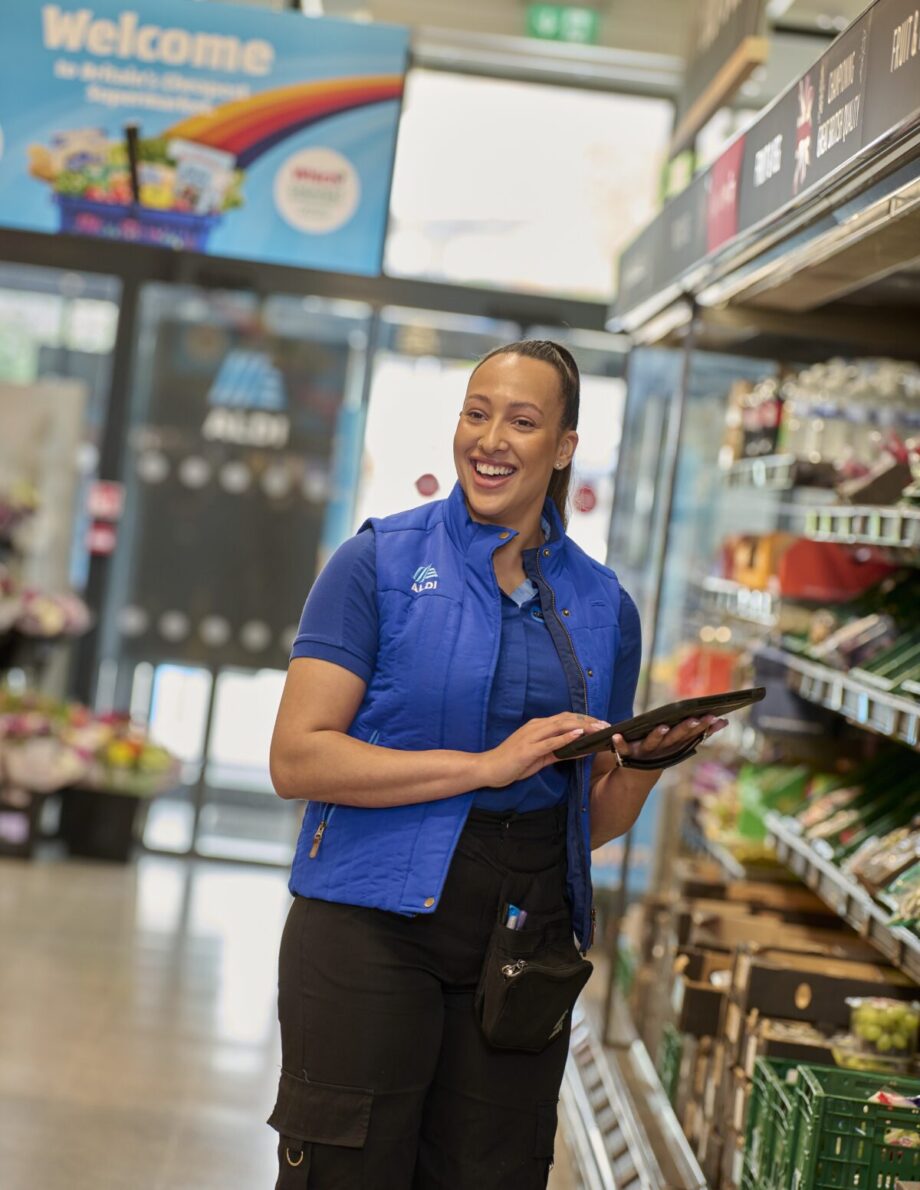
Aldi to close all branches on Christmas Day and Boxing Day

Aldi has confirmed it will close all its stores on Christmas Day and, unlike rival supermarkets, it will also be closed on Boxing Day, too. 

A company spokesman said: "This is to thank all our colleagues once again for all their hard work"

Britain’s fourth-largest supermarket will close on 25th and 26th December and reopen as usual on Friday 27th, so customers can pick up all the essentials for their New Year celebrations. 

Opening hours will vary in the build-up to Christmas, with Aldi operating extended hours to ensure customers can stock up ahead of the big day. 

Richard Thornton, Communications Director at Aldi UK, said: “Christmas is such a special period for many of our colleagues, and by keeping our stores closed on Boxing Day, Aldi gives them more time to spend with their loved ones.   

“Customers will have plenty to look forward to in the run-up to Christmas, with exciting Christmas ranges hitting shelves in time for the festive season.”   

 The supermarket also recently announced it plans to open 23 new locations before the end of the year – including Muswell Hill, London and Mere Green, Birmingham – marking a record £800m investment programme during 2024.

The Cheapest UK Supermarket for Your Christmas Food and Drink in 2024

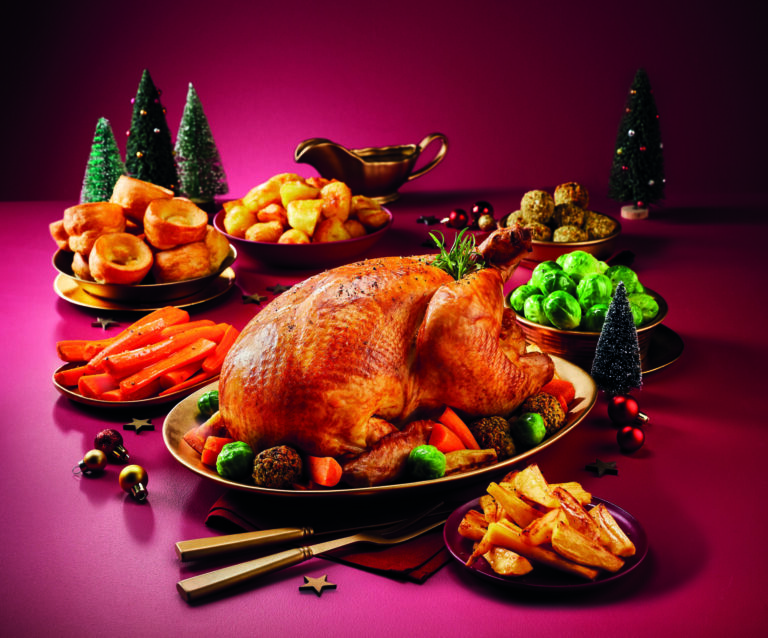
The Aldi Christmas range
As the festive season is only days away, many of us are on the lookout for ways to make Christmas magical without breaking the bank.

From the turkey to the trimmings and the bubbly to the biscuits, the cost of Christmas food and drink can quickly add up. 

But which UK supermarket offers the best value for your festive feast this year? Let’s delve into the details.

Comparing the Big Players

When it comes to budget-friendly shopping, Aldi and Lidl often come to mind. These German discount supermarkets have been a go-to for savvy shoppers for years, especially during the festive season.

 However, traditional supermarkets like Tesco, Asda, Sainsbury’s, and Morrisons have stepped up their game, offering competitive prices and exclusive Christmas deals.

To determine the cheapest option, we compared prices for key Christmas items, including:

Turkey (or a vegetarian/vegan alternative)

Potatoes, carrots, and sprouts

Christmas pudding and mince pies

Cheese and crackers

Wine, prosecco, and spirits

The Winner: Aldi

After analysing prices, Aldi takes the crown as the cheapest supermarket for Christmas food and drink in 2024. Here’s why:

Affordable Turkeys: Aldi’s medium-sized fresh turkey comes in at around £11.99, significantly undercutting competitors.

Budget-Friendly Veg: Classic Christmas vegetables, like carrots and sprouts, are priced at just 19p per bag during Aldi’s Super 6 promotion.

Festive Treats: Their award-winning mince pies are only £1.29 for six, and a luxury Christmas pudding is available for £4.49.

Drinks Deals: Aldi’s wines and spirits consistently rank high for quality and value, with their bestselling prosecco priced at £7.99.

Close Contenders

While Aldi leads the pack, Lidl isn’t far behind. Lidl’s Deluxe range offers a variety of premium options at reasonable prices, making it a great choice for those who want a touch of luxury without overspending.

Tesco and Asda are also worth considering, especially if you’re a loyalty cardholder. Tesco’s Clubcard prices and Asda’s Rewards scheme can help you save significantly on your Christmas shop.

Tips for Saving Even More

Plan Ahead: Write a list and stick to it to avoid impulse purchases.

Shop Early: Stock up on non-perishables like drinks, crackers, and tinned goods early to spread the cost.

Look for Discounts: Keep an eye out for seasonal promotions and markdowns.

Consider Own-Brand Products: Many supermarket own-brand items rival premium brands in taste and quality.

Final Thoughts

Christmas is a time for joy and togetherness, and with a little planning, you can create a festive feast that’s both delicious and budget-friendly. 

While Aldi is the standout choice for cheap Christmas food and drink in 2024, exploring other supermarkets’ deals and promotions could help you tailor your shop to your family’s needs and preferences.

Happy shopping, and Merry Christmas!

Top Tips for Perfect Roast Potatoes for Your Christmas Dinner

There’s nothing quite like the golden crunch and fluffy interior of perfectly roasted potatoes to complete your Christmas dinner. 

Whether you're serving turkey, beef, or a vegetarian centrepiece, these humble spuds are often the star of the show. 

Here are some tips to ensure your roast potatoes steal the spotlight this Christmas.

1. Choose the Right Potato

The variety of potato you use is crucial. Opt for floury types like Maris Piper, King Edward, or Desiree. These varieties have a high starch content, which helps achieve that fluffy interior and crispy exterior.

2. Cut Them to the Right Size

Cut your potatoes into evenly sized chunks. Larger pieces give you a fluffy interior, while smaller ones crisp up faster. A mix of sizes can also work well if you want a variety of textures.

3. Parboil for Fluffiness

Parboiling is a non-negotiable step. Boil your potatoes in salted water for about 8-10 minutes, or until the edges start to soften. This softening helps create the rough, starchy surface that crisps up beautifully in the oven.

4. Rough Them Up

Once drained, give the potatoes a gentle shake in the pan or use a fork to rough up the edges. This step is key to creating those crispy, golden bits.

5. Choose the Right Fat

The fat you use can make or break your roasties. Goose fat or duck fat is traditional and delivers incredible flavour and crispness. For a vegetarian option, opt for a high-quality olive oil or rapeseed oil. Heat the fat in your roasting tin in a hot oven (around 200°C/400°F) before adding the potatoes.

6. Season Generously

Don’t skimp on seasoning. Sprinkle your potatoes with salt and pepper before roasting. For an extra touch of festive flavour, add garlic cloves, rosemary, or thyme to the tray.

7. Give Them Space

Crowding the tray is a common mistake. Ensure the potatoes have plenty of room to roast, not steam. Use two trays if necessary, as this allows the hot air to circulate and crisp up every side.

8. Turn Them Halfway

Turn the potatoes halfway through cooking to ensure even crisping. This also helps coat them in the hot fat for maximum crunch.

9. Cook at the Right Temperature

Roast your potatoes at a high temperature (around 200°C/400°F) for 45-60 minutes. Keep an eye on them towards the end to prevent burning and ensure they're perfectly golden.

10. Serve Immediately

Roast potatoes are at their best straight out of the oven. Serve them hot and crisp to ensure everyone enjoys them at their peak.

Bonus Tip: Make Ahead

If you’re juggling multiple dishes on Christmas Day, you can parboil and rough up your potatoes the day before. Store them in the fridge and roast them on the day for stress-free preparation.

By following these tips, your roast potatoes will be the talk of the table this Christmas. Whether you like them golden and crispy or with a hint of extra seasoning, these techniques will guarantee spud perfection. Happy roasting and Merry Christmas!