

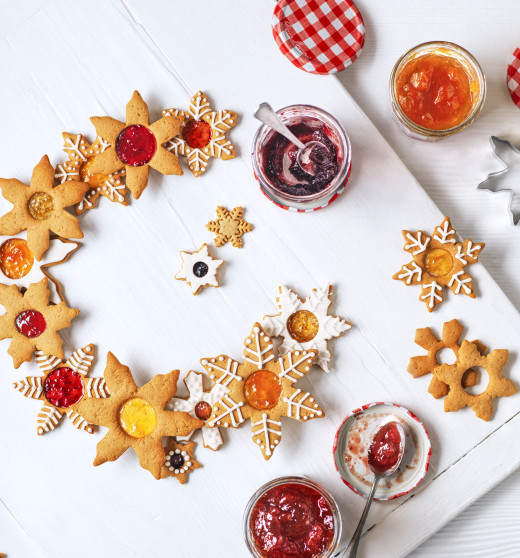
Whether it’s shaped into biscuits, crafted into enchanting houses, or baked into rich loaves, gingerbread has become a much-loved part of Christmas across Britain and beyond.
But where did this spiced delight come from, and how did it become so firmly linked to the festive season?
The story stretches back thousands of years and weaves together culture, trade, celebration, and a dash of Christmas magic.
Ancient Beginnings: Ginger Arrives in Europe
Gingerbread begins with one key ingredient: ginger. This fiery root was first cultivated in ancient China and quickly spread along early trade routes. By the time of the Roman Empire, ginger was prized not only for its flavour but also for its supposed medicinal properties.
Romans were known to make early versions of gingerbread, spiced honey cakes thought to help with digestion. When the Empire fell, ginger remained a treasured ingredient, though rare and expensive.
Medieval Europe: Gingerbread as a Delicacy
By the Middle Ages, ginger had made its way into the kitchens of Europe, including Britain. Medieval gingerbread bore little resemblance to the airy biscuits we know today. It was often a mixture of breadcrumbs, honey, and ground spices, pressed into moulds carved with intricate designs.
Gingerbread became especially popular at fairs, markets, and religious festivals. In fact, gingerbread shapes were often created as charms or tokens—hearts for lovers, knights for young men, even animals for children.
In England, gingerbread was so significant that towns like Market Drayton in Shropshire became renowned centres of gingerbread making, a tradition that continues today.
Royal Approval: Queen Elizabeth I and the First Gingerbread Men
The festive gingerbread figure owes much to the Tudor court. Queen Elizabeth I famously had her cooks create gingerbread biscuits shaped like her visiting dignitaries. These early “gingerbread men” were beautifully decorated and presented as personalised gifts.
This charming idea spread throughout Britain, and shaped gingerbread soon became a staple of festive banquets and celebrations.
Gingerbread and Christmas: A Perfect Pairing
So how did gingerbread become specifically connected to Christmas? There are several reasons:
1. Spices were luxury winter treats
In medieval and early modern Europe, spices such as ginger, cinnamon, nutmeg, and cloves were expensive. Using them in baking was a way to celebrate special occasions, especially Christmas, the most important feast of the year.
2. Gingerbread fairs were winter traditions
Throughout Europe, winter markets and Christmas fairs were famous for stalls filled with gingerbread hearts, stars, and figures. These treats were easy to transport and lasted well in cold weather, making them ideal festive gifts.
3. Gingerbread houses added a magical twist
The tradition of gingerbread houses began in Germany, inspired in part by the Brothers Grimm tale Hansel and Gretel. Bakers began crafting elaborate little houses from spiced biscuit, decorated with sweets and icing. German immigrants later carried the tradition around the world, and it soon became a Christmas favourite.

The Victorian era shaped much of our modern Christmas, including cards, trees, and many seasonal foods. Gingerbread biscuits, cakes, and decorative ornaments became common in British households—particularly once spices became more affordable.
Decorating gingerbread at home became a family tradition, and the scent of warm spices firmly established itself as part of the Christmas atmosphere.
Modern Gingerbread: A Festive Favourite
Today, gingerbread continues to evolve. From iced biscuits in school fairs to towering gingerbread houses in luxury hotels, gingerbread remains a symbol of creativity, warmth, and seasonal cheer.
Bakers experiment with shapes ranging from classic Christmas trees and reindeer to modern pop culture characters. And while recipes vary, the comforting aroma of ginger, cinnamon, and golden syrup remains instantly recognisable.
Why Gingerbread Still Matters at Christmastime
Gingerbread captures something special about Christmas:
Nostalgia – it reminds us of childhood baking, festive fairs, and cosy winter evenings.
Creativity – making gingerbread shapes or houses is a hands-on activity that brings people together.
Tradition – it connects us with centuries of winter celebrations across Europe.
Comfort – its warm spices make it the perfect companion to a mug of tea, mulled wine, or hot chocolate.
From ancient Chinese roots to medieval markets, Tudor courts, and Victorian homes, gingerbread has travelled a long way to become a Christmas classic. Its rich history and warm, spiced flavour ensure it remains part of the festive season for generations to come.
.jpg)
.jpg)

.jpg)