Monday, 22 December 2025

SocialBox.Biz Issues Pre-Christmas Message

A landmark 2025/2026 survey released today in a pre-Christmas message by SocialBox.Biz reveals a "purpose gap" in corporate Britain: 60% of UK firms are missing out on the full social impact potential, despite rising pressure to deliver on Environmental, Social, and Governance targets. 

The findings show three out of five UK companies want to boost their social impact but are currently constrained by hardware refresh cycles and other factors. 

In response, SocialBox.Biz, a leading Community Interest Company (CIC), has issued a 2026 “Call to Action.”

This initiative provides a streamlined pathway for corporations to reduce Scope 3 emissions by diverting functional hardware from scrap heaps to reuse before it reaches the IT disposal stage. Call SocialBoxBiz before you scrap it so that SocialBoxBiz can help you assess what items can still be reused first.

With each reused laptop saving 316kg of CO2, SocialBox.Biz’s innovation transforms old corporate IT into a lifeline for the elderly unable to afford technology and those transitioning out of homelessness.

“The data is clear: British businesses want to do more, but they are literally shredding their impact,” says Peter Paduh, Founder of SocialBox.Biz. “Recycling will no longer be enough. Our innovation allows firms to securely wipe data and reuse and rehome technology, turning it into a measurable social and environmental win.”

The 2026 SocialBox.Biz Innovation Framework:

Scope 3 Reduction: Verified carbon savings for annual ESG reports by prioritizing IT reuse over recycling.

Impact Plans for 2026: A new solution for firms without immediate hardware to sponsor IT training and CompTIA+ certifications for the vulnerable using existing PR or ESG budgets.

Data Security: Certified data wiping (NIST 800-88 and ISO 27001) that eliminates the risk of donation.

The CEO Pledge: An executive commitment to ensure no functional device is scrapped and to contact SocialBoxBiz first to check what can still be reused.

Entities seeking a potent solution for meeting 2026 environmental and social responsibility goals can participate immediately by visiting https://www.socialbox.biz/corporate-impact/

To help the 60% of UK firms currently missing their ESG targets due to hardware shortages, SocialBox.Biz has launched Impact Plans for companies to increase their impact by  supporting SocialBox.Biz community interest company with their ESG and Marketing budgets.

These innovative plans allow businesses to decouple their social contributions from physical IT refresh cycles. By utilizing existing PR or ESG budgets, companies can immediately sponsor essential IT training and computer classes for the elderly, and those transitioning out of homelessness.

Impact Plans provide a verified pathway to boost social value and reduce the "purpose gap" identified in the 2025/2026 survey, ensuring your organization makes a measurable difference even when you don't have surplus hardware to donate.

Bridge the digital divide today: Join the SocialBox.Biz Impact Initiative.

https://www.socialbox.biz/corporate-impact

Affordable Christmas Family Disco at BrewDog Waterloo Kicked Off School Holidays with Festive Fun for All London Families


As the Christmas school holidays begin, London families were invited to a joyful and inclusive Christmas Family Disco BrewDog Waterloo, the perfect, budget-friendly way to start the festive break. The event ran from 11am to 1:30pm.

The special event was proudly and skillfully organised by two talented local businesses: Art Stuff by Lyla, bringing colour and creativity through face painting, glitter, arts & crafts, and CeeCee Events,  experts in full event management, decorations, logistics and entertainment. 

They kindly hosted this amazing party in honour of the London Taxi Drivers’ Charity for Children (LTCFC).

You can make donations here:- https://www.ltcfc.org.uk

Washington Irving vs Charles Dickens: The Writers Who Created Modern Christmas

Explore how Washington Irving and Charles Dickens shaped modern Christmas traditions, and discover whose influence still defines the festive season today.

When people think about the origins of the modern Christmas, one name dominates: Charles Dickens. 

Yet decades before A Christmas Carol warmed Victorian hearts, another writer had already begun restoring Christmas to the cultural imagination. That writer was Washington Irving.

Rather than rivals, Irving and Dickens should be seen as complementary figures — one rekindled the idea of Christmas, the other set it alight.

Washington Irving: The Revivalist

Washington Irving’s Old Christmas (1819–1820) arrived at a time when Christmas was quietly fading in Britain. Industrialisation had disrupted rural traditions, and earlier religious opposition had stripped the season of much of its joy.

Irving’s contribution was subtle but powerful.

He presented Christmas as:

A season of hospitality and open houses

A bridge between rich and poor

A celebration rooted in continuity and memory

A time of warmth rather than doctrine

Importantly, Irving looked backwards. His Christmas was nostalgic, idealised, and deliberately old-fashioned, a reminder of what Christmas used to be, or what people wished it had been.

His England was filled with roaring fires, long tables, seasonal food, and communal goodwill. Readers responded not because it was realistic, but because it was comforting.

Charles Dickens: The Reformer

Charles Dickens took Irving’s revived Christmas and gave it urgency.

When A Christmas Carol was published in 1843, Britain was grappling with poverty, child labour, and social inequality. Dickens transformed Christmas into a moral force.

His Christmas:

Demanded compassion and generosity

Challenged greed and indifference

Centred on family, children, and redemption

Insisted that kindness was a social duty

Unlike Irving’s gentle nostalgia, Dickens’ Christmas looked forward. It asked readers not just to enjoy Christmas, but to change because of it.

Style and Tone: Comfort vs Conscience

Washington Irving Charles Dickens

Gentle and reflective Emotional and urgent

Nostalgic Reformist

Observational Moralistic

Focus on atmosphere Focus on action

Irving invites readers into a warm room and asks them to remember.

Dickens opens the door and asks them to do something.

Shared Themes That Endure

Despite their differences, both writers agreed on the essentials:

Christmas should bring people together

Shared meals matter

Generosity defines the season

Social barriers should soften at Christmas

Together, they helped move Christmas away from strict religious observance and towards the family-centred, community-focused celebration we recognise today.

Who Had the Greater Influence?

The honest answer is: we needed both.

Without Irving, Christmas might have continued to fade as an old rural custom.

Without Dickens, Christmas might have remained a pleasant nostalgia rather than a moral force.

Irving reminded people why Christmas mattered.

Dickens showed them how to live it.

Why This Still Matters Today

Modern debates about Christmas — commercialisation, tradition, kindness, excess, echo the concerns both men addressed in the 19th century.

When we:

Long for a “traditional” Christmas

Worry about losing the spirit of the season

Emphasise generosity over spending

We are still standing at the crossroads between Irving’s memory and Dickens’ message.

A Shared Literary Legacy

Christmas as we celebrate it today, warm, generous, family-focused, and morally charged, is a literary creation as much as a religious or cultural one.

Washington Irving gave Christmas its heart.

Charles Dickens gave it its conscience.

Together, they didn’t just describe Christmas — they saved it.

Old Christmas: How Washington Irving Shaped the Christmas We Know Today

Old Christmas by Washington Irving: The Story That Helped Shape Modern Christmas.

Long before Charles Dickens wrote A Christmas Carol, an American author helped revive and romanticise Christmas traditions that were already fading from public memory. 

That writer was Washington Irving, and his series of essays collectively known as Old Christmas played a quietly influential role in shaping the way Christmas is celebrated on both sides of the Atlantic.

Published in 1819–1820 as part of The Sketch Book of Geoffrey Crayon, Gent., Old Christmas looked back nostalgically at the festive customs of rural England, presenting Christmas as a time of warmth, hospitality, and continuity.

Who Was Washington Irving?

Washington Irving is best known today for Rip Van Winkle and The Legend of Sleepy Hollow, but he was also one of the first American writers to achieve international literary success.

At the time Old Christmas was written:

Irving was living in England

Christmas celebrations were in decline in many parts of Britain

Industrialisation was changing social structures and rural life

Irving wrote as both an outsider and an admirer, capturing what he saw as the spirit of an older, gentler England.

What Is Old Christmas?

Old Christmas is not a single short story, but a series of connected essays, including:

Christmas

The Stage-Coach

Christmas Eve

Christmas Day

The Christmas Dinner

The Christmas Ball

Together, they follow the narrator as he travels from London to a country estate to spend Christmas with a traditional English family.

Rather than focusing on religion, Irving emphasises:

Hospitality and open houses

Generosity to rich and poor alike

Seasonal food and drink

Music, dancing, and storytelling

Christmas is portrayed as a social glue, a time when divisions soften and communities reconnect.

A Nostalgic Vision of “Merry England”

One of the most important contributions of Old Christmas is its idealised image of “Merry England”.

Irving presents:

Snow-dusted countryside

Warm hearths and roaring fires

Plentiful tables and cheerful servants

Ancient customs lovingly preserved

Whether or not this England truly existed as described is beside the point. What mattered was the idea, Christmas as a timeless, benevolent tradition worth protecting.

This vision deeply appealed to readers at a time when modern life felt increasingly rushed and impersonal.

Influence on Victorian Christmas Traditions

Although Irving was American, his work influenced British writers, most notably Charles Dickens.

Themes echoed later in A Christmas Carol include:

Christmas as a moral force

The importance of generosity and goodwill

Shared meals as symbols of unity

The blending of nostalgia with social conscience

Dickens added sharper social critique, but Irving laid much of the emotional groundwork.

In many ways, Old Christmas helped re-legitimise Christmas as a warm, family-centred celebration after centuries of suppression, neglect, and religious controversy.

Why Old Christmas Still Matters Today

Old Christmas continues to resonate because it speaks to anxieties that feel very modern:

Fear of losing traditions

Longing for slower, more meaningful celebrations

Concern that Christmas is becoming too commercial

Desire for connection across social boundaries

Irving reminds readers that Christmas is not about excess, but about continuity, kindness, and shared humanity.

A Quiet but Lasting Legacy

While Old Christmas may not be as widely read today as Dickens’ works, its influence is undeniable. It helped transform Christmas from a fading folk observance into a revived cultural celebration rooted in nostalgia, generosity, and togetherness.

Every time we imagine Christmas as:

A fireside gathering

A season of open doors

A bridge between past and present

We are, in part, seeing Christmas through Washington Irving’s eyes.

The History of the Celebration of Christmas Through the Ages

Christmas as we know it today is the result of centuries of evolving traditions, beliefs, and cultural influences. 

From pagan winter festivals to medieval church observances and modern commercial celebrations, 

Christmas has continually adapted while retaining its core themes of light, hope, generosity, and togetherness.

Ancient Winter Festivals: Before Christmas Began

Long before the birth of Christianity, midwinter was marked across Europe and beyond. The winter solstice, usually around 21 December, symbolised the turning point when days slowly began to lengthen again.

Saturnalia in Ancient Rome was a raucous festival featuring feasting, gift-giving, role reversal, and public merriment.

Yule, celebrated by Germanic and Norse peoples, honoured the rebirth of the sun and involved evergreen decorations, fires, and communal feasts.

In many cultures, winter festivals focused on survival, renewal, and communal bonding during the darkest part of the year.

These traditions would later influence how Christmas was celebrated in Christian Europe.

The Birth of Christmas in Early Christianity

The Bible does not specify a date for the birth of Jesus Christ. It was not until the 4th century that the Christian church formally selected 25 December as the date of Christ’s birth.

This choice was strategic:

It aligned with existing pagan festivals, making conversion easier.

It reframed established celebrations with Christian meaning.

It emphasised Christ as the “light of the world” during the darkest season.

Early Christmas celebrations were primarily religious, centred on church services rather than domestic festivities.

Medieval Christmas: Feasting and Faith

By the Middle Ages, Christmas had become a major event in the Christian calendar across Europe.

Key features included:

Twelve days of celebration from Christmas Day to Epiphany

Lavish feasts hosted by nobles and monasteries

Public revelry, music, and seasonal plays

The rise of carols, originally sung outdoors and in marketplaces

Christmas was a communal affair, with the church playing a central role and social hierarchies briefly relaxed.

Reformation and Suppression

The 16th and 17th centuries brought significant upheaval. During the Protestant Reformation, many religious traditions were questioned or abolished.

In England:

Puritans viewed Christmas as unbiblical and overly indulgent

Christmas celebrations were banned during the Commonwealth period (1649–1660)

Shops were ordered to remain open on Christmas Day

Although the ban was unpopular, it demonstrates how contested Christmas once was.

Victorian Revival: The Christmas We Recognise

The modern image of Christmas largely emerged in the Victorian era.

Key developments included:

Prince Albert popularising the Christmas tree in Britain

The rise of Christmas cards, enabled by cheap printing

Charles Dickens’ A Christmas Carol (1843), which emphasised charity, family, and goodwill

Increased focus on children, gift-giving, and domestic celebrations

This period firmly established Christmas as a family-centred, sentimental festival.

20th Century to Today: Global and Commercial

During the 20th century, Christmas became increasingly global and commercial.

Notable changes:

Santa Claus became a standardised figure influenced by American imagery

Mass-produced decorations and gifts became widely available

Media, advertising, and popular music shaped expectations

Christmas expanded beyond religious observance into a cultural holiday

Today, Christmas is celebrated in diverse ways:

As a religious festival

As a cultural and family celebration

As a secular holiday centred on generosity and rest

Christmas in the Modern Age

In the 21st century, Christmas continues to evolve:

Greater inclusivity of different beliefs and traditions

Renewed interest in sustainability and local customs

Ongoing debate over commercialisation versus tradition

Yet many core elements remain unchanged: gathering together, sharing food, exchanging kindness, and finding light in the darkest season.

A Living Tradition

Christmas is not a static celebration frozen in time. It is a living tradition shaped by history, culture, faith, and personal meaning. Its endurance lies in its ability to adapt while still offering comfort, continuity, and connection across generations.

From ancient solstice fires to modern fairy lights, Christmas has always been about hope returning — year after year.

That's Business: Why You Shouldn’t Assume Your Shop Customers Aren’...

That's Business: Why You Shouldn’t Assume Your Shop Customers Aren’...: In retail, good customer service is often taught as being proactive: greet customers quickly, offer help, and make your presence known.  Whi...

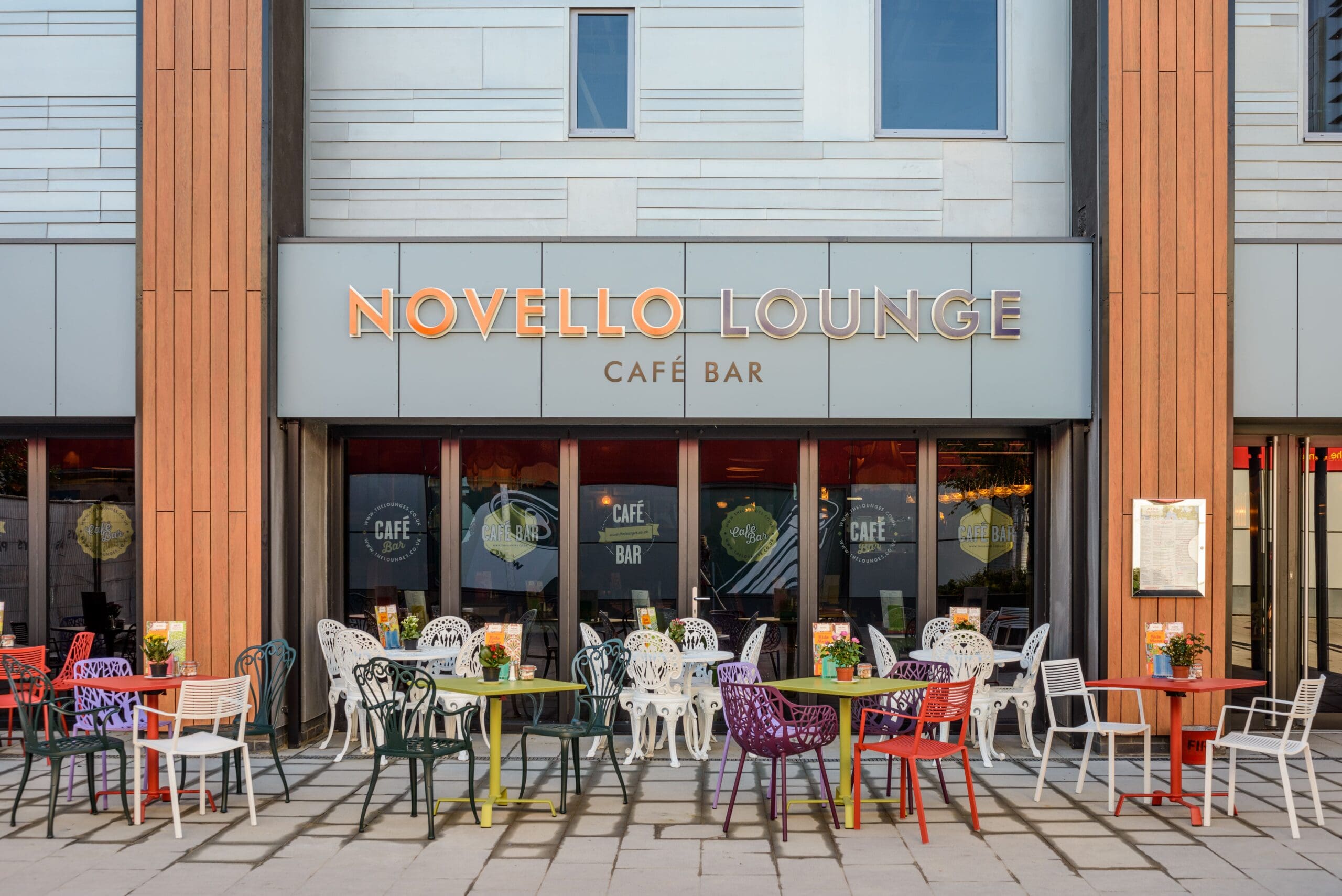
Why That’s Christmas 365 Chose Novello Lounge for Our Company Christmas Meal

Choosing a venue for a Christmas team meal isn’t just about picking somewhere convenient. 

For us at That’s Christmas 365, it needed to reflect what Christmas means to us all year round: warmth, inclusion, comfort, good food, and a genuinely welcoming atmosphere.

That’s exactly why we chose Novello Lounge, part of the much-loved Loungers family, for our company Christmas meal.

A Space That Feels Like Christmas

From the moment you walk in, Novello Lounge feels relaxed and inviting rather than rushed or overstated. At Christmas, that matters. Festive meals shouldn’t feel like a conveyor belt of bookings or a noisy free-for-all. 

The Lounge strikes a perfect balance: cosy without being cramped, lively without being overwhelming. It’s a place where you can actually talk, laugh, and enjoy the occasion.

Inclusive, Welcoming, and Thoughtful

One of the reasons Loungers venues consistently stand out is their genuinely inclusive ethos. Christmas should be for everyone, and Novello Lounge reflects that beautifully. 

The environment is approachable, staff are attentive without hovering, and there’s no pressure to behave a certain way or fit a particular mould. That sense of ease is something we value deeply as a brand that champions kindness, accessibility, and community.

Food That Works for Everyone

A company Christmas meal needs a menu that caters to different tastes, appetites, and dietary requirements without making anyone feel like an afterthought. Novello Lounge excels here. From comforting festive favourites to lighter options, plant-based dishes, and generous sharing plates, everyone at the table can find something they genuinely want to eat. Christmas food should be enjoyed, not endured.

No Stuffy Formality

We love Christmas traditions, but we don’t believe they have to come wrapped in stiff formality. Novello Lounge offers quality food and drink without the intimidating price tags or rigid dining rules that can drain the joy from a festive get-together. 

It’s Christmas dining that feels human, relaxed, and real – which aligns perfectly with the That’s Christmas 365 ethos.

Supporting Community-Focused Hospitality

Loungers bars are known for embedding themselves into their local communities, and that matters to us. Choosing Novello Lounge wasn’t just about having a nice meal; it was about supporting a hospitality brand that values people, accessibility, and consistency across the year – not just in December.

A Christmas Choice That Reflects Our Values

Ultimately, Novello Lounge wasn’t just a convenient choice. It was the right choice. Warm, welcoming, inclusive, and festive without being forced, it offered exactly what a company Christmas meal should: a chance to slow down, enjoy good food, and celebrate the season together.

For us at That’s Christmas 365, that’s what Christmas is all about – not just one day a year, but every day.

Find your nearest Loungers cafe bar here https://thelounges.co.uk

Chicken: The Underrated, Unappreciated Other White Meat for Christmas

When people talk about Christmas dinner, the conversation is usually dominated by turkey, beef, or goose. 

Yet quietly, reliably, and rather unfairly overlooked sits chicken, the underrated, unappreciated other white meat that deserves far more festive love than it gets.

Chicken might not arrive with the same fanfare as a towering turkey, but for many households it is the sensible, delicious, and stress-free choice that makes Christmas Day calmer, tastier, and far more enjoyable.

Why Chicken Deserves a Place on the Christmas Table

Chicken has developed a reputation as an everyday meal, which is precisely why it is underestimated. In reality, a well-cooked roast chicken can be just as celebratory as any traditional Christmas centrepiece.

It’s beautifully versatile.

Chicken pairs effortlessly with classic Christmas flavours: sage and onion stuffing, cranberry sauce, thyme, garlic, lemon, honey, mustard, and rich gravy. You can keep it traditional or give it a seasonal twist without intimidating guests who prefer familiar tastes.

It suits smaller gatherings perfectly.

Not every Christmas involves feeding a dozen people. For couples, small families, or those celebrating quietly, a whole chicken is often the perfect size, no overwhelming leftovers, no pressure to cook a bird the size of a suitcase.

It’s far less stressful to cook.

Let’s be honest: turkey anxiety is real. Dry breast meat, undercooked legs, endless resting times. Chicken is more forgiving, cooks faster, and is easier to judge, meaning less time worrying in the kitchen and more time enjoying Christmas itself.

Chicken and the Cost-of-Christmas Reality

With rising food costs, chicken is also one of the most budget-friendly Christmas options available. A quality free-range chicken costs significantly less than a turkey, yet still delivers a proper roast dinner experience.

That saving can be put to better use elsewhere: higher-quality vegetables, indulgent desserts, better wine, or simply easing the financial pressure that Christmas can bring.

Festive Ways to Elevate Chicken

If chicken feels “too ordinary” for Christmas, the secret lies in presentation and flavour:

Stuffed roast chicken with sage, onion, sausage meat, or chestnuts

Herb-butter under the skin for crisp skin and juicy meat

Honey and mustard glaze for a festive golden finish

Lemon, garlic, and thyme for a classic, aromatic roast

Wrapped in bacon for added richness and Christmas indulgence

Served with proper roast potatoes, seasonal vegetables, pigs in blankets, and gravy, no one will feel short-changed.

Leftovers That Actually Get Used

One of chicken’s greatest festive strengths is how usable the leftovers are. Cold chicken sandwiches, bubble and squeak, soups, pies, curries, and salads all benefit from chicken’s adaptability. 

Unlike turkey, which often lingers unloved in the fridge, chicken leftovers tend to disappear quickly.

A Christmas That Fits Your Household

Christmas does not need to be performed to a script. It doesn’t need the biggest bird, the longest cooking time, or the most stress. It needs warmth, good food, and people enjoying themselves.

Chicken offers all of that – comfort, flavour, affordability, and flexibility – without the pressure. It may be the other white meat, but at Christmas, it quietly proves itself to be one of the smartest choices you can make.

This year, don’t overlook it. Give chicken the festive respect it deserves.

How about a nice pork joint for Christmas?

When people think of Christmas dinner, turkey usually steals the spotlight. 

But there’s something quietly magnificent about a proper pork joint taking centre stage instead, especially when it’s crowned with gloriously crisp, golden crackling that shatters at the touch of a knife.

For smaller gatherings, alternative Christmas meals, or simply those who prefer flavour over tradition, pork can be a truly festive choice.

Why pork deserves a place on the Christmas table

Pork has long been part of winter feasting in Britain. It’s rich, satisfying, and pairs beautifully with seasonal flavours such as apples, sage, mustard, and cider. A well-roasted pork joint offers:

Juicy, tender meat

Crowd-pleasing crackling

Excellent leftovers for Boxing Day sandwiches

A comforting, celebratory feel without the stress of a large bird

And let’s be honest, few things cause as much excitement at the table as the sound of crackling being broken apart.

The secret to perfect crackling

Crackling is simple in theory but unforgiving in practice. The key is dryness, heat, and patience.

Here’s how to give yourself the best chance of success:

1. Dry the rind thoroughly

Moisture is the enemy of crackling. If you can, uncover the pork and leave it in the fridge overnight. If not, pat the rind dry repeatedly with kitchen paper before cooking.

2. Score properly

Use a very sharp knife to score the rind deeply but do not cut into the meat. Even spacing helps the fat render evenly and puff the skin.

3. Salt generously

Sea salt draws moisture out of the skin and encourages blistering. Rub it firmly into the scored rind, don’t be shy.

4. Start hot

Begin roasting at a high temperature (around 220°C fan / 240°C conventional) for the first 20–30 minutes. This blast of heat starts the crackling process.

5. Then turn it down

Once the crackling has begun to form, reduce the oven temperature and roast the pork gently until perfectly cooked and tender.

If your crackling needs a final boost, a short blast under the grill can work wonders, just keep a close eye on it.

Making it Christmas-worthy

A pork joint is wonderfully adaptable for a festive table. Consider serving it with:

Roast potatoes cooked in pork dripping

Braised red cabbage with apple

Sage and onion stuffing

Apple sauce or cider gravy

Honey-roasted parsnips and carrots

The flavours are familiar, comforting, and unmistakably Christmassy, just without the turkey fatigue.

A Christmas feast with confidence

Choosing pork for Christmas isn’t about cutting corners, it’s about choosing something you know you’ll enjoy. A beautifully cooked pork joint, topped with proud, crunchy crackling, brings warmth, indulgence, and a sense of celebration to the table.

And when the crackling crackles and the plates fall quiet, you’ll know you made the right choice.

Sometimes, Christmas tastes even better with pork.

Study Finds 21 Minutes of Yogic Meditation Could Ease Family Tension This Christmas

A short daily meditation practice taught by Indian Yogi Sadhguru could help ease loneliness, stress and family conflict over Christmas, according to new peer-reviewed research by Harvard-affiliated scientists.

The findings come as UK surveys show the festive season is a major pressure point for mental health. Mental Health UK reports that 80% of people living with mental-health conditions see their symptoms worsen over Christmas, while nearly three-quarters feel lonelier even when surrounded by family. Separate analysis shows 84% of Britons find Christmas stressful or triggering.

The new study, published in Frontiers in Psychology (2025), was led by researchers at the Sadhguru Center for a Conscious Planet at Beth Israel Deaconess Medical Center, a Harvard Medical School-affiliated hospital.

It examined 24 adults who completed Inner Engineering, a programme created by Sadhguru that teaches Shambhavi Mahamudra Kriya - a 21-minute yogic meditative practice. The program highlights Yogic meditation’s role as a non-religious, scalable intervention for improving well-being.

After six weeks, every participant who practised regularly reported improvements in emotional well-being and relationships. Researchers identified reduced emotional reactivity, greater empathy and compassion, and more harmonious communication with partners and children, including fewer arguments and better listening.

The authors note that related neuroscience research suggests meditation reduces activity in the brain’s stress centre, the amygdala, while strengthening emotional regulation and activating the body’s calming “rest-and-digest” response.

Sumita Hutchison, Director at an NHS Foundation Trust, told That's Christmas 365: “The Christmas period places enormous pressure on families. 

Polls show half of Britons find Christmas stressful and mothers feel it most acutely. At the same time, the UK economy loses over £117 billion a year to poor mental health. We urgently need scalable, evidence‑based solutions. 

This study offers compelling evidence that Yogic meditation can reduce loneliness, stress and family conflict in just a few weeks. Policymakers should support making programmes like this more accessible.”

Yogic practices, which originate in India, are gaining increased interest globally as wellbeing solutions.